What role do the local communities play in promoting sustainable tourism?
Similar Topics
sustainable tourism
local communities
cultural heritage
eco-friendly accommodations
responsible wildlife viewing
conservation projects
authentic experiences
environmental sustainability
tourism operators
community involvement
Local communities play a crucial role in promoting sustainable tourism by acting as both stewards of their cultural heritage and guardians of the natural environment. They possess invaluable knowledge about their surroundings, which can be shared with visitors to foster a deeper understanding of local ecosystems and traditions. By engaging tourists through authentic experiences, such as guided nature walks, cooking classes featuring traditional recipes, or cultural festivals, communities can showcase their unique identity while ensuring that tourism benefits them economically. This not only helps preserve local customs but also enriches the travel experience for visitors seeking genuine interactions.
Moreover, local communities often collaborate with tourism operators to develop practices that prioritize environmental sustainability. This can include initiatives such as promoting eco-friendly accommodations, encouraging responsible wildlife viewing, and participating in conservation projects. By educating tourists about the importance of protecting natural resources and respecting local traditions, these communities help to cultivate a sense of responsibility among visitors. When travelers are made aware of the direct impact of their choices, they are more likely to engage in environmentally sustainable behaviors, such as minimizing waste or supporting local artisans instead of large corporations.
In addition to environmental stewardship, local communities can advocate for policies that protect their interests and ensure that the benefits of tourism are equitably distributed. By participating in decision-making processes, they can influence how tourism develops in their area, ensuring that it aligns with their values and priorities. This grassroots involvement is essential for creating a tourism model that not only attracts visitors but also enhances the quality of life for residents. When communities are empowered to shape their own tourism narratives, it leads to a more sustainable, respectful, and enriching experience for both visitors and locals alike.
Moreover, local communities often collaborate with tourism operators to develop practices that prioritize environmental sustainability. This can include initiatives such as promoting eco-friendly accommodations, encouraging responsible wildlife viewing, and participating in conservation projects. By educating tourists about the importance of protecting natural resources and respecting local traditions, these communities help to cultivate a sense of responsibility among visitors. When travelers are made aware of the direct impact of their choices, they are more likely to engage in environmentally sustainable behaviors, such as minimizing waste or supporting local artisans instead of large corporations.
In addition to environmental stewardship, local communities can advocate for policies that protect their interests and ensure that the benefits of tourism are equitably distributed. By participating in decision-making processes, they can influence how tourism develops in their area, ensuring that it aligns with their values and priorities. This grassroots involvement is essential for creating a tourism model that not only attracts visitors but also enhances the quality of life for residents. When communities are empowered to shape their own tourism narratives, it leads to a more sustainable, respectful, and enriching experience for both visitors and locals alike.
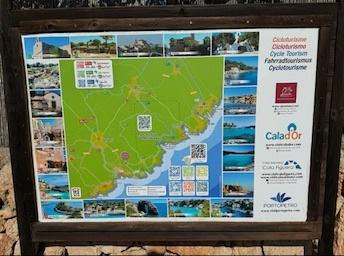
Cala Figuera
More Fotos