How were the Talaiot structures built, and what materials were used?
Similar Topics
Talaiot structures
Mallorca
Menorca
ancient engineering
megalithic stone constructions
Talaiotic period
local limestone
architectural skill
communal gatherings
ceremonial significance
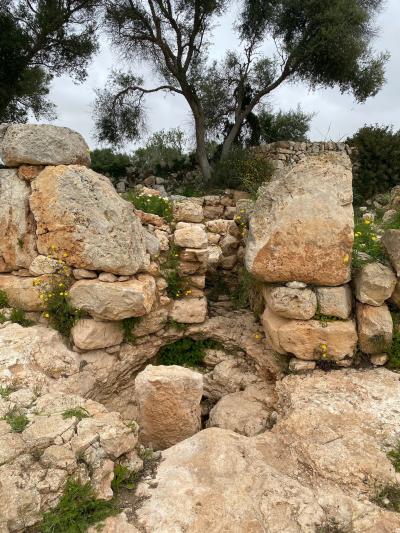
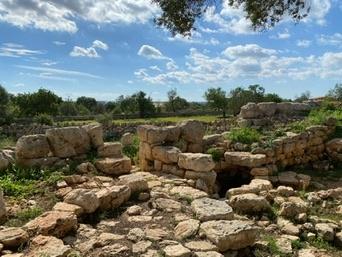
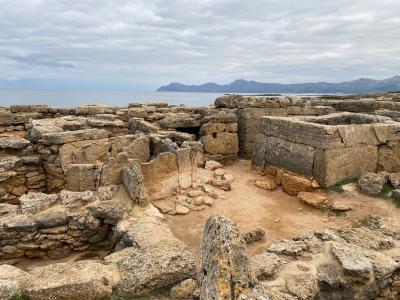
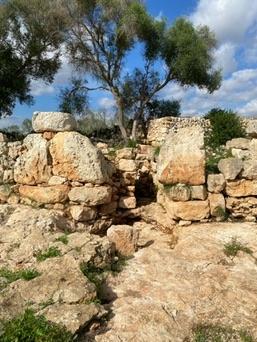
The Talaiot structures, prominent in the Balearic Islands, particularly Mallorca and Menorca, are fascinating testaments to ancient engineering and community life. These megalithic stone constructions date back to the Talaiotic period, around 1000 BCE to 100 BCE. The builders, known as the Talaiotic people, primarily used local limestone, which was quarried from nearby hills. The stones were often roughly hewn, with larger blocks serving as foundational elements and smaller stones filling in gaps. This method not only showcased their resourcefulness but also their intimate knowledge of the local geology.
The construction of a Talaiot typically began with a circular or rectangular base, where the larger stones were carefully positioned to create a sturdy structure. The walls were built thick to support the weight of the roof, which was usually flat or slightly domed. The roofs were often constructed from lighter materials such as wood or smaller stones, allowing for an open interior space that could be utilized for various purposes, from communal gatherings to storage. Some Talaiots even feature upper levels, highlighting the architectural skill of their creators.
Interestingly, the Talaiot structures were not just functional; they also held social and ceremonial significance. They often served as watchtowers or as part of larger complex settlements that included dwellings and communal areas. The enduring nature of these structures, many of which still stand today, speaks to the ingenuity and determination of the Talaiotic people. As you explore these remarkable sites, you can almost feel the echoes of the past, a glimpse into the lives of those who laid the very stones under your feet.
The construction of a Talaiot typically began with a circular or rectangular base, where the larger stones were carefully positioned to create a sturdy structure. The walls were built thick to support the weight of the roof, which was usually flat or slightly domed. The roofs were often constructed from lighter materials such as wood or smaller stones, allowing for an open interior space that could be utilized for various purposes, from communal gatherings to storage. Some Talaiots even feature upper levels, highlighting the architectural skill of their creators.
Interestingly, the Talaiot structures were not just functional; they also held social and ceremonial significance. They often served as watchtowers or as part of larger complex settlements that included dwellings and communal areas. The enduring nature of these structures, many of which still stand today, speaks to the ingenuity and determination of the Talaiotic people. As you explore these remarkable sites, you can almost feel the echoes of the past, a glimpse into the lives of those who laid the very stones under your feet.
Santanyí
More Fotos