What kind of geological formations can I expect to see in the caves?
Similar Topics
geological formations
stalactites
stalagmites
flowstones
calcite crystals
helictites
cave pearls
spelaeology
cave exploration
natural wonders
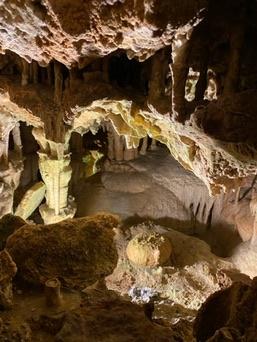
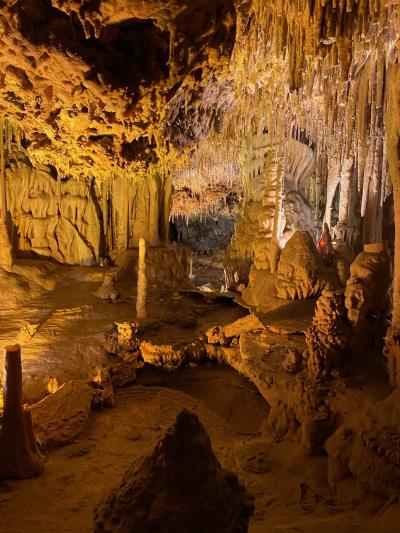
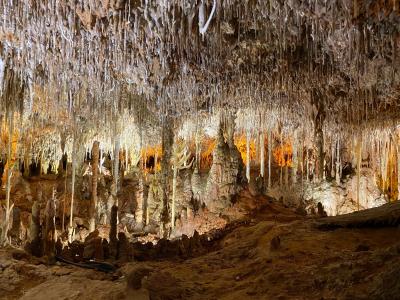
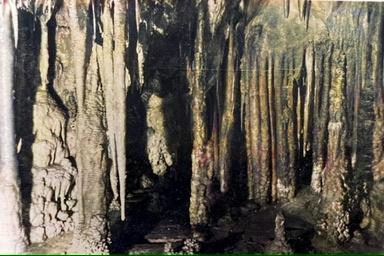
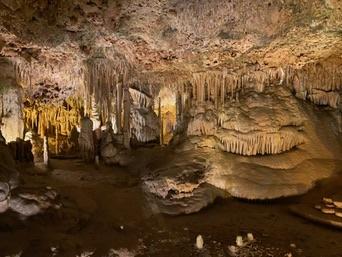
When exploring caves, you'll encounter a fascinating array of geological formations that showcase the incredible artistry of nature over thousands or even millions of years. One of the most common features you might see is stalactites and stalagmites. Stalactites hang from the ceilings, formed by mineral-rich water dripping down, while stalagmites rise from the ground as minerals deposit over time. Together, they create stunning formations that can resemble everything from delicate draperies to towering columns.
In addition to these, you may come across flowstones, which are formed by water flowing over the cave floor or walls, leaving behind a thin layer of minerals that can create beautiful, sheet-like structures. Another intriguing feature you might notice is calcite crystals, which can appear as glistening clusters on cave walls, reflecting light in captivating ways. Some caves also showcase unique geological phenomena like helictites, which are eccentric formations that defy gravity, twisting and turning in unexpected directions, offering a glimpse into the complex processes that shape these underground environments.
If you're lucky, you may even find cave pearls, which are small, round formations created by the layering of minerals around a nucleus, often found in wet areas of the cave. Each cave offers its own unique set of formations, shaped by the specific geological conditions and mineral content of the region, making every visit a chance to witness nature's artistry in a truly unique setting. Whether you're an avid spelunker or just a curious traveler, these geological wonders provide a deeper appreciation for the natural processes that create such stunning underground landscapes.
In addition to these, you may come across flowstones, which are formed by water flowing over the cave floor or walls, leaving behind a thin layer of minerals that can create beautiful, sheet-like structures. Another intriguing feature you might notice is calcite crystals, which can appear as glistening clusters on cave walls, reflecting light in captivating ways. Some caves also showcase unique geological phenomena like helictites, which are eccentric formations that defy gravity, twisting and turning in unexpected directions, offering a glimpse into the complex processes that shape these underground environments.
If you're lucky, you may even find cave pearls, which are small, round formations created by the layering of minerals around a nucleus, often found in wet areas of the cave. Each cave offers its own unique set of formations, shaped by the specific geological conditions and mineral content of the region, making every visit a chance to witness nature's artistry in a truly unique setting. Whether you're an avid spelunker or just a curious traveler, these geological wonders provide a deeper appreciation for the natural processes that create such stunning underground landscapes.
Portocristo
More Fotos