What safety advice should I follow when exploring towns and trails on Mallorca?
Similar Topics
mallorca walking safety
tramuntana trails
palma pedestrian tips
soller walking advice
safe walking routes
mallorca theft prevention
comfortable walking shoes
local safety tips
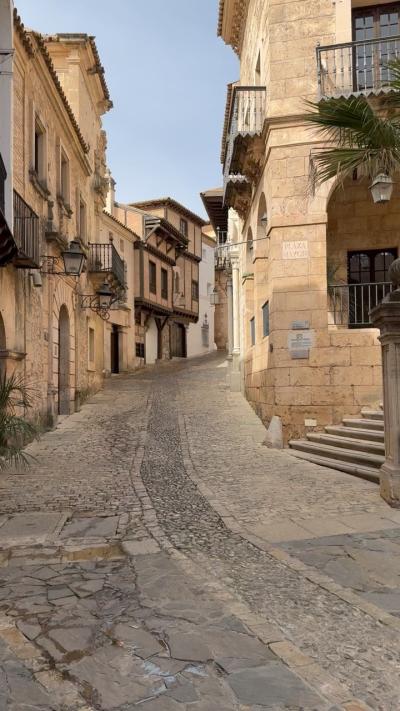
The scent of pine and salt carried by Mediterranean breezes often accompanies strolls along Mallorca’s winding lanes or mountain paths. Whether wandering through Palma’s bustling center or hiking in the Serra de Tramuntana, staying alert to your surroundings is key. Streets may be narrow and winding, especially in villages like Valldemossa or Deià, so watch for scooters and cyclists sharing the road. Avoid distractions like headphones or fixed phone screens, especially when crossing the Ma-13 or Ma-19 roads, where traffic flows steadily even outside busy hours.
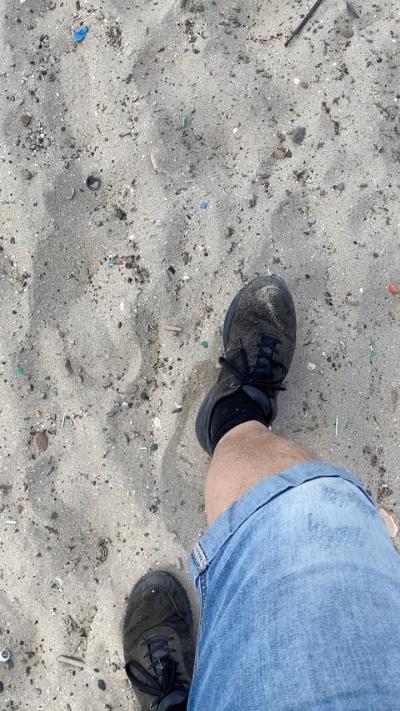
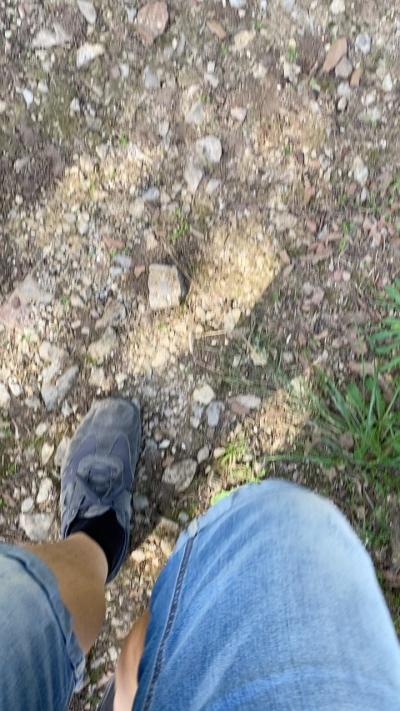
After dusk, stick to well-lit, populated areas such as the promenade in Port de Sóller or the cafés around Plaça Major in Inca. Crossing smaller rural paths near almond groves is safer by day, while choosing secure routes serviced by the TIB buses can ease transport worries. Footwear should be sturdy and comfortable; cobblestones in towns and uneven trails demand good grip to avoid slips. For valuables, a discreet crossbody bag or money belt works well to prevent pickpocketing, particularly in tourist-favored spots like Alcúdia’s old town or during festivals such as Sant Sebastià in Palma.
Familiarising yourself with local geography pays off—knowing shortcuts or landmark cafés can help you navigate confidently. Locals in markets and shops often share practical tips and highlight less crowded paths or safe walking routes, including along serene beaches like Cala Mondragó or Formentor. Ultimately, trust your instincts; if a street feels deserted or uneasy, retreat or seek advice from a nearby business. By balancing awareness with enjoyment, you’ll experience the island’s charm safely and comfortably.
After dusk, stick to well-lit, populated areas such as the promenade in Port de Sóller or the cafés around Plaça Major in Inca. Crossing smaller rural paths near almond groves is safer by day, while choosing secure routes serviced by the TIB buses can ease transport worries. Footwear should be sturdy and comfortable; cobblestones in towns and uneven trails demand good grip to avoid slips. For valuables, a discreet crossbody bag or money belt works well to prevent pickpocketing, particularly in tourist-favored spots like Alcúdia’s old town or during festivals such as Sant Sebastià in Palma.
Familiarising yourself with local geography pays off—knowing shortcuts or landmark cafés can help you navigate confidently. Locals in markets and shops often share practical tips and highlight less crowded paths or safe walking routes, including along serene beaches like Cala Mondragó or Formentor. Ultimately, trust your instincts; if a street feels deserted or uneasy, retreat or seek advice from a nearby business. By balancing awareness with enjoyment, you’ll experience the island’s charm safely and comfortably.

Platja de Muro
More Fotos

Related Questions
Related Question
What local festivals on the island offer the best photo opportunities for visitors?
Related Question
What initiatives exist to educate visitors about environmental conservation while on the island?
Related Question
When is the best time to explore the Cuevas del Drach on the island?