How does the architecture in Valldemossa reflect its history?
Similar Topics
Valldemossa architecture
Mallorca history
Carthusian monastery
Gothic architecture
Tramuntana mountains
cobbled streets
cultural heritage
Frédéric Chopin
George Sand
historical events
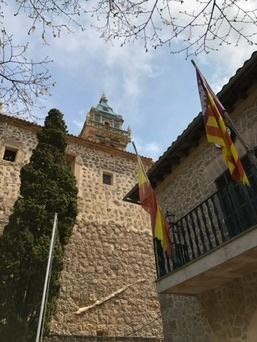
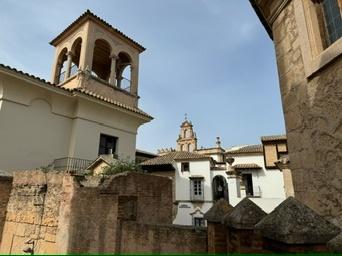
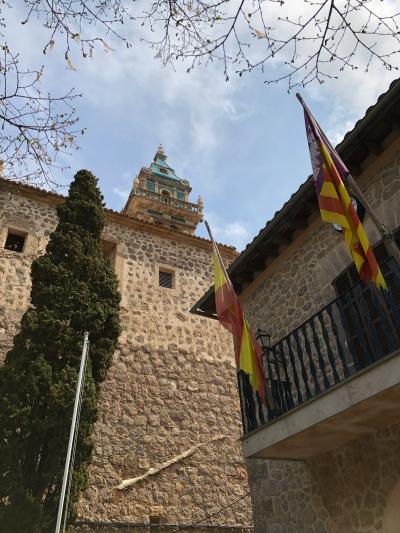
Valldemossa, a charming village nestled in the Tramuntana mountains of Mallorca, showcases a rich tapestry of architectural styles that reflect its storied history. The village's most iconic building, the Cartuja de Valldemossa, is a former Carthusian monastery dating back to the 14th century. This structure is a prime example of Gothic architecture, characterized by its simple yet imposing stone facade, arched windows, and serene cloister. Originally built as a royal residence, it was later repurposed by monks, and the austere beauty of the monastery encapsulates the spiritual essence of its past. Today, visitors can wander through its peaceful gardens and well-preserved interiors, gaining insight into the monastic life that once thrived here.
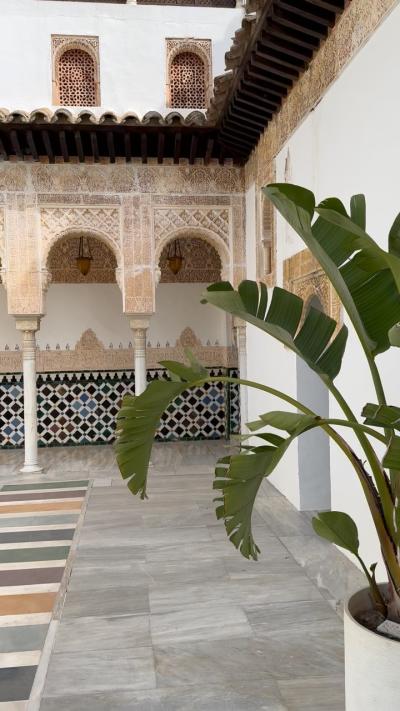
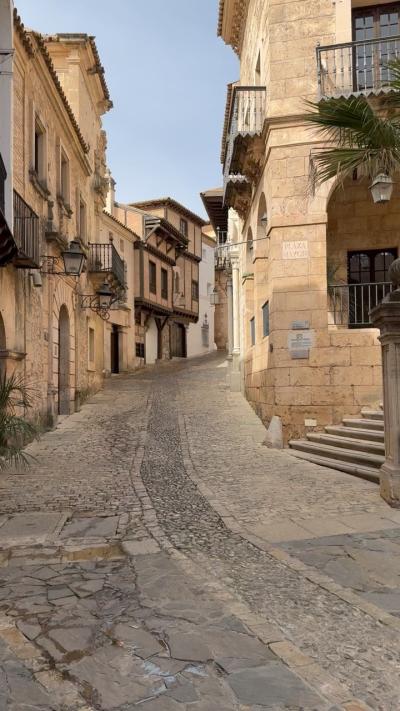
As you stroll through the narrow cobbled streets of Valldemossa, you’ll notice the influence of different eras and cultures on its buildings. The traditional stone houses, adorned with wooden shutters and flowering balconies, reflect Mallorca's agricultural heritage and the local craftsmanship that has been passed down through generations. The village's architecture also reveals the impact of historical events, such as the period of Arab rule, which introduced intricate design elements and irrigation systems that shaped the landscape. This blend of styles, from rustic to refined, tells the story of a community that has evolved while honoring its roots.
The presence of notable figures, like the composer Frédéric Chopin and writer George Sand, further enriches Valldemossa's architectural narrative. Their time spent in the village in the 19th century left a mark on its cultural identity, and the house where they lived is now a museum, drawing visitors intrigued by their artistic legacy. Overall, the architecture of Valldemossa serves as a living history book, inviting travelers to explore its past while enjoying the stunning backdrop of the surrounding mountains and olive groves. Each stone and structure whispers tales of the village's journey, making it a must-visit for those who appreciate the intricate connections between architecture and history.
As you stroll through the narrow cobbled streets of Valldemossa, you’ll notice the influence of different eras and cultures on its buildings. The traditional stone houses, adorned with wooden shutters and flowering balconies, reflect Mallorca's agricultural heritage and the local craftsmanship that has been passed down through generations. The village's architecture also reveals the impact of historical events, such as the period of Arab rule, which introduced intricate design elements and irrigation systems that shaped the landscape. This blend of styles, from rustic to refined, tells the story of a community that has evolved while honoring its roots.
The presence of notable figures, like the composer Frédéric Chopin and writer George Sand, further enriches Valldemossa's architectural narrative. Their time spent in the village in the 19th century left a mark on its cultural identity, and the house where they lived is now a museum, drawing visitors intrigued by their artistic legacy. Overall, the architecture of Valldemossa serves as a living history book, inviting travelers to explore its past while enjoying the stunning backdrop of the surrounding mountains and olive groves. Each stone and structure whispers tales of the village's journey, making it a must-visit for those who appreciate the intricate connections between architecture and history.
Valldemossa
More Fotos