When is the best time of day to photograph the light across the Tramuntana mountains and the island's coastline?
Similar Topics
tramuntana light
golden hour mallorca
sunrise photography
sunset mallorca
es trenc light
photography mallorca
cala llombards
valldemossa sunrise
Locals often wait until the early morning or late afternoon to get the most captivating light across the Serra de Tramuntana and the surrounding coast. Just after sunrise, the first golden rays bathe villages like Valldemossa and Deia in a soft, warm glow, while shadows linger in the winding mountain paths, creating depth and tranquility in photos. The quiet of dawn also means fewer tourists crowding iconic spots, such as the bay at Port de Sóller or the cliffs near Formentor, allowing for serene, unobstructed compositions.
Midday light along the Ma-10 road can be harsh and flat, often washing out colors on the rocky coastline or inland olive groves. However, late afternoon brings a rich, amber light that ignites the red earth at Cala Llombards and the pastel facades of Palma’s old town. Around sunset, the sky over Es Trenc beach and Pollenca Bay can erupt in dramatic shades of pink and orange, reflected beautifully in the calm Mediterranean waters. Photographers often stay for the twilight glow, which softens the landscape and adds a dreamy quality to the island’s varied scenery.
Weather and seasonal changes also play a role. The cool spring and autumn months tend to offer crisp light and striking skies, whereas midsummer sunsets often come with warmer hues and longer-lasting golden hours. Observing local weather patterns and finding vantage points along the Ma-13 or from hilltops overlooking Binissalem’s vineyards can greatly enhance your captures. Whether it’s the rugged peaks of the Tramuntana or the charming coves of Cala Mondragó, timing your shoot for the gentle light at dawn or dusk will reveal the island’s true character and natural beauty.
Midday light along the Ma-10 road can be harsh and flat, often washing out colors on the rocky coastline or inland olive groves. However, late afternoon brings a rich, amber light that ignites the red earth at Cala Llombards and the pastel facades of Palma’s old town. Around sunset, the sky over Es Trenc beach and Pollenca Bay can erupt in dramatic shades of pink and orange, reflected beautifully in the calm Mediterranean waters. Photographers often stay for the twilight glow, which softens the landscape and adds a dreamy quality to the island’s varied scenery.
Weather and seasonal changes also play a role. The cool spring and autumn months tend to offer crisp light and striking skies, whereas midsummer sunsets often come with warmer hues and longer-lasting golden hours. Observing local weather patterns and finding vantage points along the Ma-13 or from hilltops overlooking Binissalem’s vineyards can greatly enhance your captures. Whether it’s the rugged peaks of the Tramuntana or the charming coves of Cala Mondragó, timing your shoot for the gentle light at dawn or dusk will reveal the island’s true character and natural beauty.
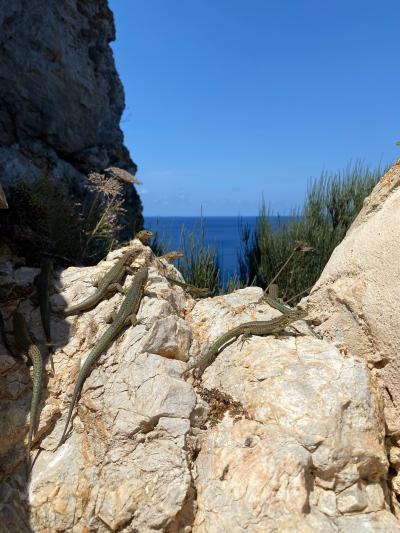
Sant Elm
More Fotos