What is the cultural significance of the carob tree in Mallorca?
Similar Topics
carob tree Mallorca
Mallorca agriculture
sustainable farming Mallorca
Mallorca culture
Mediterranean climate
carob recipes
eco-friendly practices Mallorca
Mallorca rural landscapes
health benefits of carob
Mallorca travel
The carob tree, known as "algarrobo" in Spanish, holds a special place in the cultural and agricultural landscape of Mallorca. This hardy tree thrives in the Mediterranean climate, making it an integral part of the island's rural heritage. Historically, carob pods were a vital food source for both livestock and humans, particularly during times of scarcity. The sweet, edible pulp of the carob has been used in various traditional recipes, and its flour is a popular ingredient in local baked goods, showcasing the tree's importance in the island's culinary practices.
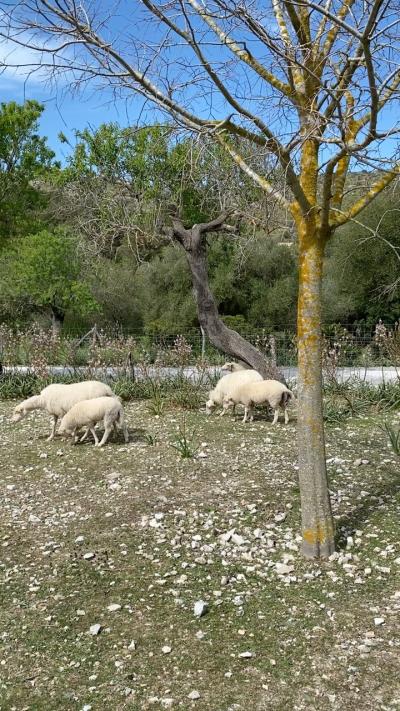
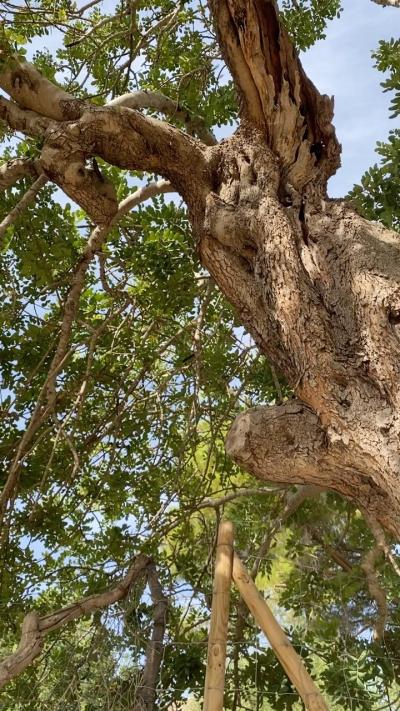
Beyond its practical uses, the carob tree is also a symbol of resilience and sustainability in Mallorca. Its drought-resistant nature makes it a suitable crop for the island’s rocky terrain, where many other plants struggle to survive. This adaptability reflects the islanders' connection to their environment and their ability to cultivate the land efficiently. Additionally, carob trees often contribute to the picturesque rural landscapes of Mallorca, with their gnarled trunks and lush foliage providing a sense of tranquility amidst the rolling hills and fields.
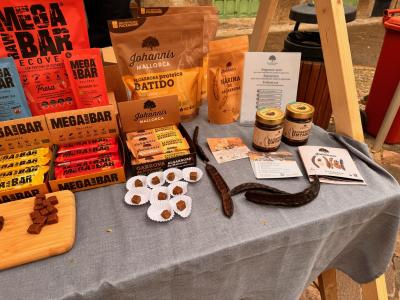
In recent years, there has been a renewed interest in the carob tree as part of initiatives to promote sustainable agriculture and eco-friendly practices. Many local farmers are embracing organic methods to grow carob, tapping into its nutritional benefits and growing popularity as a health food. This revitalization of the carob tree not only strengthens local economies but also fosters a deeper appreciation for Mallorca's agricultural traditions and the natural beauty of its countryside. Visitors to the island can often find carob products in markets and shops, allowing them to take a piece of this rich cultural heritage home with them.
Beyond its practical uses, the carob tree is also a symbol of resilience and sustainability in Mallorca. Its drought-resistant nature makes it a suitable crop for the island’s rocky terrain, where many other plants struggle to survive. This adaptability reflects the islanders' connection to their environment and their ability to cultivate the land efficiently. Additionally, carob trees often contribute to the picturesque rural landscapes of Mallorca, with their gnarled trunks and lush foliage providing a sense of tranquility amidst the rolling hills and fields.
In recent years, there has been a renewed interest in the carob tree as part of initiatives to promote sustainable agriculture and eco-friendly practices. Many local farmers are embracing organic methods to grow carob, tapping into its nutritional benefits and growing popularity as a health food. This revitalization of the carob tree not only strengthens local economies but also fosters a deeper appreciation for Mallorca's agricultural traditions and the natural beauty of its countryside. Visitors to the island can often find carob products in markets and shops, allowing them to take a piece of this rich cultural heritage home with them.
Porreres
More Fotos