Are there strong currents to watch out for when swimming at Mallorca's beaches?
Similar Topics
mallorca swimming
beach currents
es trenc beach
formentor currents
tramuntana wind
mallorca tide charts
beach lifeguards
cala mondrago
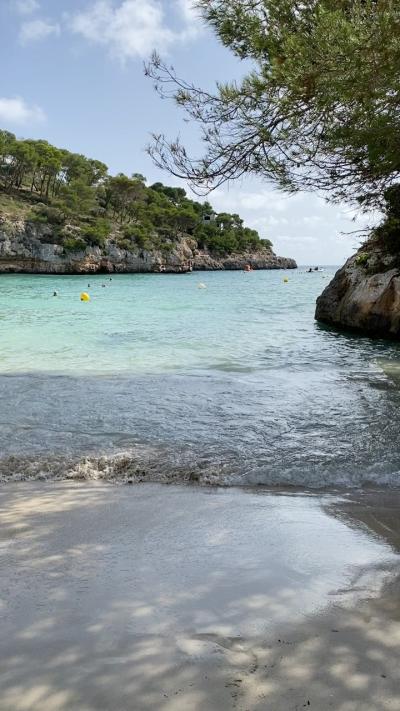
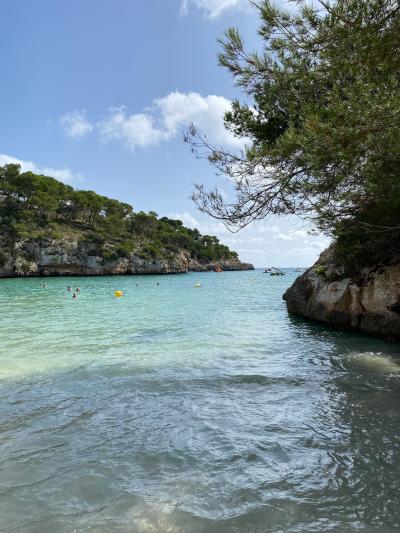
Currents can vary significantly around Mallorca’s coastline, so it pays to be cautious, especially if you venture beyond popular bays. Beaches like Es Trenc and Cala Mondrago tend to have gentle waters well suited for swimmers, but more exposed spots along the northern coast near Formentor or on the rugged Tramuntana side may experience stronger currents. These can become more noticeable around piers or natural rocky outcrops, where tidal flows channel water forcefully. Seasonal winds such as the Tramuntana or Mistral also influence water movement, sometimes whipping up choppier conditions that make swimming more challenging.
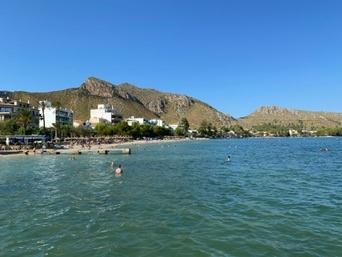
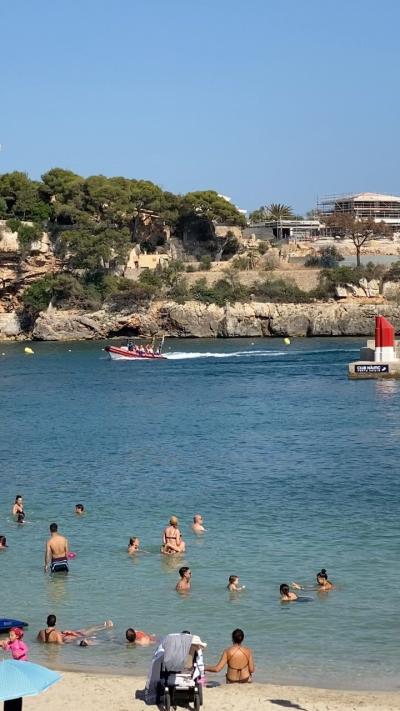
Lifeguards are stationed at many well-frequented beaches during the summer months, particularly in areas like Alcudia and Pollenca, and they typically provide warnings if currents or tides are hazardous. It’s wise to check their advice upon arrival and stick close to marked swimming zones. The protected coves of Cala Llombards or the sheltered area near Cala S’Amarador usually present fewer risks. For those heading off the beaten track via the Ma-10 or relying on the TIB bus network, remember that remote beaches might lack lifeguard patrols, so be extra vigilant with currents and tides. Familiarity with local tide charts and watching how the water moves before swimming can make all the difference in staying safe.
Lifeguards are stationed at many well-frequented beaches during the summer months, particularly in areas like Alcudia and Pollenca, and they typically provide warnings if currents or tides are hazardous. It’s wise to check their advice upon arrival and stick close to marked swimming zones. The protected coves of Cala Llombards or the sheltered area near Cala S’Amarador usually present fewer risks. For those heading off the beaten track via the Ma-10 or relying on the TIB bus network, remember that remote beaches might lack lifeguard patrols, so be extra vigilant with currents and tides. Familiarity with local tide charts and watching how the water moves before swimming can make all the difference in staying safe.
More Fotos