What traditional Mallorca dishes feature olive oil as a key ingredient?
Similar Topics
olive oil
pa amb oli
sobrassada
tumbet
binissalem wine
hierbas
mallorca cuisine
local dishes
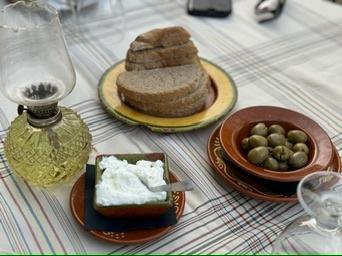
If you’re diving into Mallorcan cuisine, you’ll notice how olive oil threads through many of the island’s most cherished dishes. A classic example is pa amb oli, where rustic bread is rubbed with ripe tomatoes and drizzled generously with local olive oil—often paired with sobrassada or cheese. It’s a simple yet deeply satisfying way to taste the island’s olive oil, which typically has a rich, fruity character thanks to the Mediterranean climate.
Olive oil also enhances tumbet, a colorful vegetable bake reminiscent of ratatouille, featuring layers of fried aubergine, peppers, and potatoes swimming in a tomato sauce. Each component is lovingly cooked in olive oil, lending the dish its signature depth and smoothness. Beyond main dishes, you’ll find this liquid gold served alongside olives and rustic breads in markets and tapas bars around Palma and the Tramuntana villages.
Moreover, olive oil often forms the base of local sauces and dressings accompanying seafood from the north coast or freshly caught fish in ports like Port de Pollença. A glass of Binissalem wine or a shot of aromatic Hierbas pairs beautifully with these flavors, bringing out the complexity of the oil and island products alike. Whether at a festive table during Sant Sebastià or a quiet meal in Valldemossa, olive oil is a delicious constant you won’t want to miss.
Olive oil also enhances tumbet, a colorful vegetable bake reminiscent of ratatouille, featuring layers of fried aubergine, peppers, and potatoes swimming in a tomato sauce. Each component is lovingly cooked in olive oil, lending the dish its signature depth and smoothness. Beyond main dishes, you’ll find this liquid gold served alongside olives and rustic breads in markets and tapas bars around Palma and the Tramuntana villages.
Moreover, olive oil often forms the base of local sauces and dressings accompanying seafood from the north coast or freshly caught fish in ports like Port de Pollença. A glass of Binissalem wine or a shot of aromatic Hierbas pairs beautifully with these flavors, bringing out the complexity of the oil and island products alike. Whether at a festive table during Sant Sebastià or a quiet meal in Valldemossa, olive oil is a delicious constant you won’t want to miss.

Caimari
More Fotos


Related Questions
Related Question
Are there any charming villages I should stop at while driving through the Tramuntana?
Related Question
When are the best times to visit Palma's museums to avoid the busiest crowds?
Related Question
What transportation options are available to get to Playa de Palma from the airport?