How does the architecture of Valldemossa Charterhouse reflect its historical and cultural significance?
Similar Topics
valldemossa charterhouse
serra de tramuntana
gothic architecture
baroque elements
mallorca monasteries
cloisters
historical frescoes
monastic buildings
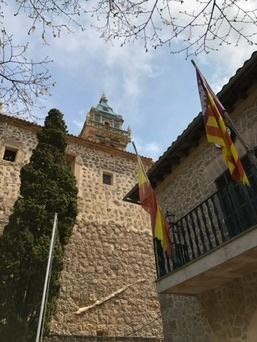
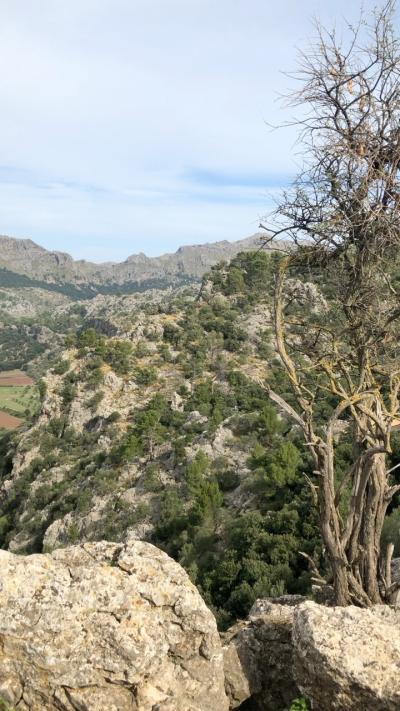
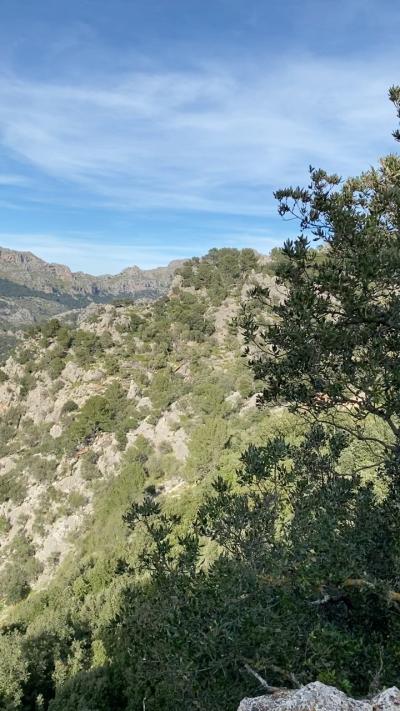
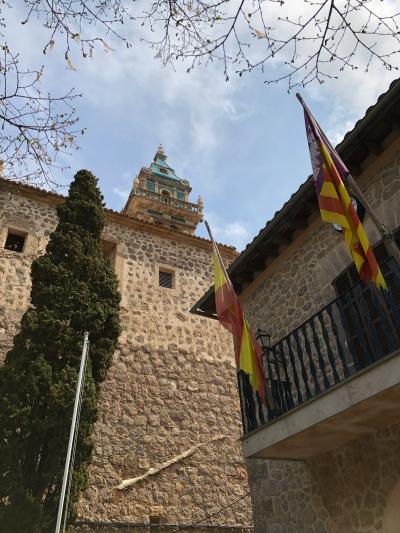
Nestled in the tranquil village of Valldemossa, the Charterhouse stands as a testament to centuries of religious devotion and cultural evolution. Its stone walls, built from limestone quarried in the Serra de Tramuntana, anchor the building firmly in the island’s rugged landscape. The structure blends Gothic sensibilities with later Baroque modifications, revealing layers of artistic influences that mirror the changing tastes and needs of its monastic inhabitants.
Wandering through the cloisters, you encounter quiet arcades designed for contemplation, along with the monks' living quarters and the small church at the heart of the complex. This layout reflects the Carthusian order’s emphasis on solitude intertwined with communal worship. Frescoes and mural fragments hint at periods of affluence and artistic patronage, while simpler rooms suggest times of austerity or decline. The peaceful gardens and cell-like rooms embody centuries of spiritual retreat, inviting visitors to experience the profound calm that once shaped daily life here.
Restorations over the years have preserved not only the original stonework but also the historical narrative embedded in every corner—from medieval foundations to 18th-century flourishes. Each architectural detail, from vaulted ceilings to modest chapels, tells a story of resilience and adaptation, framing the Charterhouse as both a historical monument and a symbol of Mallorca’s rich monastic heritage.
Wandering through the cloisters, you encounter quiet arcades designed for contemplation, along with the monks' living quarters and the small church at the heart of the complex. This layout reflects the Carthusian order’s emphasis on solitude intertwined with communal worship. Frescoes and mural fragments hint at periods of affluence and artistic patronage, while simpler rooms suggest times of austerity or decline. The peaceful gardens and cell-like rooms embody centuries of spiritual retreat, inviting visitors to experience the profound calm that once shaped daily life here.
Restorations over the years have preserved not only the original stonework but also the historical narrative embedded in every corner—from medieval foundations to 18th-century flourishes. Each architectural detail, from vaulted ceilings to modest chapels, tells a story of resilience and adaptation, framing the Charterhouse as both a historical monument and a symbol of Mallorca’s rich monastic heritage.
Valldemossa
More Fotos