What traditional Mallorcan dishes should I try to fully experience the island's cuisine?
Similar Topics
pa amb oli
sobrassada
ensaïmada
tumbet
binissalem wine
hierbas
palo liqueur
serra de tramuntana
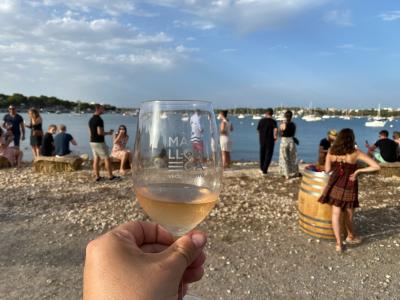
The warm aroma of olive oil paired with freshly crushed garlic and thyme often drifts from kitchens throughout towns like Valldemossa and Sóller, hinting at the local flavors to come. One cannot fully appreciate the island’s culinary heritage without tasting pa amb oli, a simple yet delicious dish where rustic bread is rubbed with ripe tomato, drizzled with local olive oil, and often served with sobrassada, the soft, spiced cured sausage unique to the region. It's a perfect starter or snack enjoyed alongside a glass of Binissalem wine from the nearby vineyards.
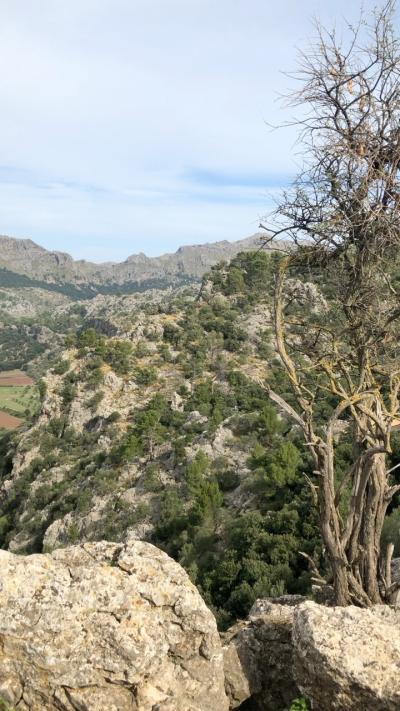
Another staple that captures the essence of Mallorca is tumbet, a vibrant vegetable medley baked with layers of aubergine, bell peppers, potatoes, and tomatoes seasoned with herbs from the Serra de Tramuntana. For a sweet ending to your day, an ensaïmada—light, flaky, and dusted with powdered sugar—is a pastry local bakeries proudly serve, often enjoyed with a shot of Hierbas or Palo, traditional herbal liqueurs.
Dining in coastal areas such as Cala Mondragó or near the port of Palma offers fresh seafood often paired with these island classics, enhancing the experience with the Mediterranean breeze and stunning views. During festivals like Sant Sebastià in Palma or the Festa de l'Ametler in the Tramuntana, many locals prepare these dishes with even greater reverence, making it the perfect time to dive into the authentic flavors that define Mallorca’s rich gastronomic culture.
Another staple that captures the essence of Mallorca is tumbet, a vibrant vegetable medley baked with layers of aubergine, bell peppers, potatoes, and tomatoes seasoned with herbs from the Serra de Tramuntana. For a sweet ending to your day, an ensaïmada—light, flaky, and dusted with powdered sugar—is a pastry local bakeries proudly serve, often enjoyed with a shot of Hierbas or Palo, traditional herbal liqueurs.
Dining in coastal areas such as Cala Mondragó or near the port of Palma offers fresh seafood often paired with these island classics, enhancing the experience with the Mediterranean breeze and stunning views. During festivals like Sant Sebastià in Palma or the Festa de l'Ametler in the Tramuntana, many locals prepare these dishes with even greater reverence, making it the perfect time to dive into the authentic flavors that define Mallorca’s rich gastronomic culture.
Cala Marçal
More Fotos