What is the history behind Estellencs and Banyalbufar?
Similar Topics
Estellencs history
Banyalbufar history
Mallorca villages
Moorish influence Mallorca
Mallorca agriculture
Tramuntana mountains
Malvasia wine
Mediterranean views
traditional stone houses
Mallorca travel
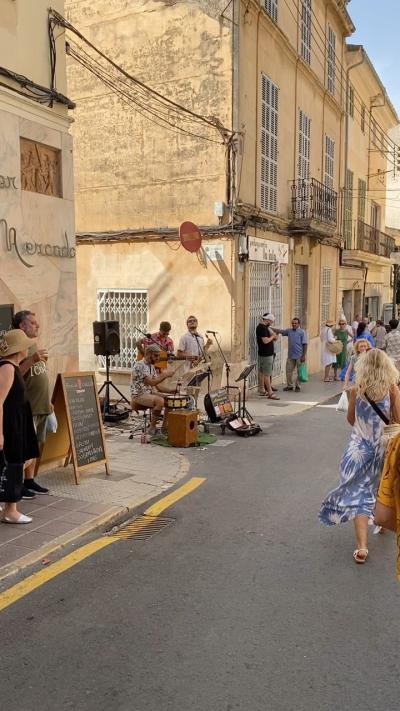
Estellencs and Banyalbufar, two picturesque villages on the western coast of Mallorca, boast a rich history that reflects the island's diverse cultural influences. Estellencs, perched on the edge of the Tramuntana mountains, has roots that trace back to the Moorish period. Its name is believed to derive from the Arabic term "Estellenc," which indicates a connection to the agricultural practices introduced by the Moors. The terraced landscapes that surround the village are a testament to their advanced irrigation techniques, allowing for the cultivation of crops such as olives and grapes. The village itself retains a charm with its narrow streets and traditional stone houses, many of which reflect the architectural style of the 18th and 19th centuries.
Banyalbufar, located just south of Estellencs, also has a history intertwined with the Moors, who cultivated the steep slopes and developed a sophisticated system of terraces and irrigation channels known as "safareig." This ingenious method allowed them to thrive in a challenging environment and laid the foundation for the agricultural heritage of the region. The village became known for its production of Malvasia wine, which was highly sought after in the past. As you explore Banyalbufar, you can still see remnants of its Moorish past through the quaint, winding streets and the breathtaking views of the Mediterranean. Both villages have preserved their historical essence, allowing visitors to step back in time and appreciate the cultural tapestry that has shaped this stunning part of Mallorca.
Banyalbufar, located just south of Estellencs, also has a history intertwined with the Moors, who cultivated the steep slopes and developed a sophisticated system of terraces and irrigation channels known as "safareig." This ingenious method allowed them to thrive in a challenging environment and laid the foundation for the agricultural heritage of the region. The village became known for its production of Malvasia wine, which was highly sought after in the past. As you explore Banyalbufar, you can still see remnants of its Moorish past through the quaint, winding streets and the breathtaking views of the Mediterranean. Both villages have preserved their historical essence, allowing visitors to step back in time and appreciate the cultural tapestry that has shaped this stunning part of Mallorca.
Palma
More Fotos