How did the historical interactions between Arabs and Christians shape Mallorcan identity?
Similar Topics
Mallorca history
Arab Christian interactions
Mallorcan identity
Islamic influence Mallorca
Christian reconquest Mallorca
Mallorcan cuisine
Palma Cathedral
Gothic architecture
cultural heritage Mallorca
diversity in Mallorca
The historical interactions between Arabs and Christians have profoundly shaped Mallorcan identity, weaving a rich tapestry of cultural influences that can still be seen today. During the 9th to 13th centuries, Mallorca was part of the Islamic Caliphate, which brought significant advancements in agriculture, architecture, and science. The introduction of irrigation techniques transformed the island’s landscape, enabling the cultivation of crops that are still staples of Mallorcan cuisine. The Arabs also left their mark on the island’s language, with many words of Arabic origin still in use, particularly in place names and local dialects. This period of Islamic rule fostered a unique blend of cultures, as the island became a crossroads for trade and ideas.
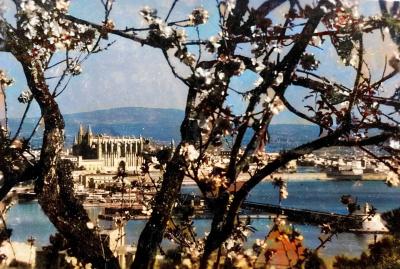
The subsequent Christian reconquest in the 13th century initiated a new chapter in Mallorca's identity. The merging of Christian and Muslim traditions created a distinct cultural milieu that influenced everything from art to religious practices. The construction of churches on the foundations of former mosques symbolized this blending of faiths, and today, you can visit stunning examples of Gothic architecture alongside remnants of Moorish heritage in places like the Palma Cathedral. Festivals, too, reflect this dual heritage; for instance, the celebration of Sant Joan is infused with elements that hark back to ancient pagan and Islamic traditions.
As centuries passed, the coexistence of these two cultures continued to evolve, resulting in a Mallorcan identity that embraces diversity. The island's cuisine is a prime example, where you can savor dishes that highlight both Mediterranean and Middle Eastern flavors, showcasing the influences of both Arab and Christian culinary traditions. Even in contemporary Mallorcan society, the legacy of this historical interaction is evident in a community that values its multicultural roots. Visitors to Mallorca will find that this rich history adds depth to their experience, making the island not just a beautiful destination but also a living testament to its complex and intertwined past.
The subsequent Christian reconquest in the 13th century initiated a new chapter in Mallorca's identity. The merging of Christian and Muslim traditions created a distinct cultural milieu that influenced everything from art to religious practices. The construction of churches on the foundations of former mosques symbolized this blending of faiths, and today, you can visit stunning examples of Gothic architecture alongside remnants of Moorish heritage in places like the Palma Cathedral. Festivals, too, reflect this dual heritage; for instance, the celebration of Sant Joan is infused with elements that hark back to ancient pagan and Islamic traditions.
As centuries passed, the coexistence of these two cultures continued to evolve, resulting in a Mallorcan identity that embraces diversity. The island's cuisine is a prime example, where you can savor dishes that highlight both Mediterranean and Middle Eastern flavors, showcasing the influences of both Arab and Christian culinary traditions. Even in contemporary Mallorcan society, the legacy of this historical interaction is evident in a community that values its multicultural roots. Visitors to Mallorca will find that this rich history adds depth to their experience, making the island not just a beautiful destination but also a living testament to its complex and intertwined past.

More Fotos