Are there any notable architectural replicas or traditional buildings to see on Mallorca?
Similar Topics
mallorca architecture
valldemossa buildings
serra de tramuntana
pollensa old town
alcudia fortifications
can joan de
sant sebastia festival
traditional mallorca houses
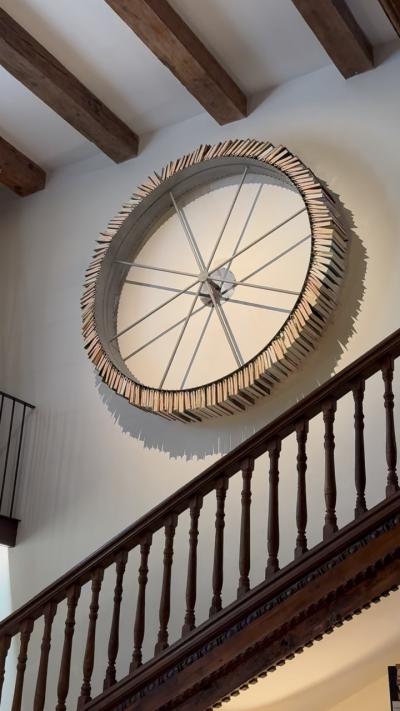
Recent years have seen a growing appreciation for Mallorca’s traditional architecture, with several sites preserving and showcasing local building styles that offer a glimpse into the island’s past. While there isn't a single open-air museum replicating famous Spanish monuments, villages like Valldemossa and Deià offer authentic examples of traditional stone houses, rustic farmsteads, and historic religious buildings that reflect the island’s diverse cultural influences. The Can Joan de s'Aigo café in Palma, famous for its classic Catalan architecture and wood-beamed interiors, also gives visitors a taste of Mallorcan heritage indoors.
In the north, historic towns such as Pollensa and Alcudia feature beautifully preserved medieval walls and narrow, winding streets that transport travelers back to earlier centuries. The architecture here combines Gothic and Moorish influences, much like other parts of Spain, yet maintains a distinct island character. Meanwhile, the Serra de Tramuntana’s terraced farms and dry stone walls stand out as a UNESCO World Heritage cultural landscape, demonstrating traditional agricultural practices linked to the region’s natural topography.
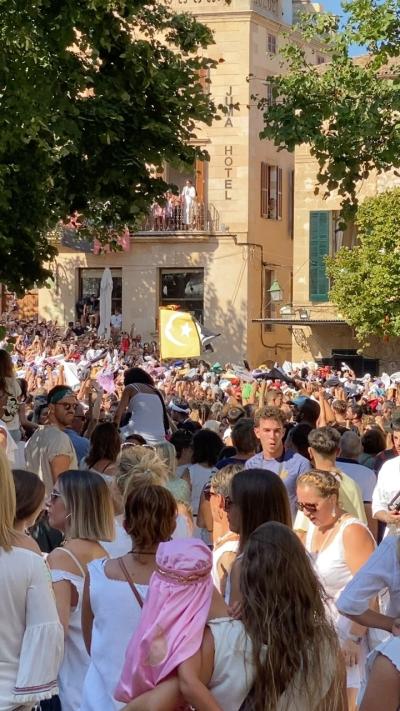
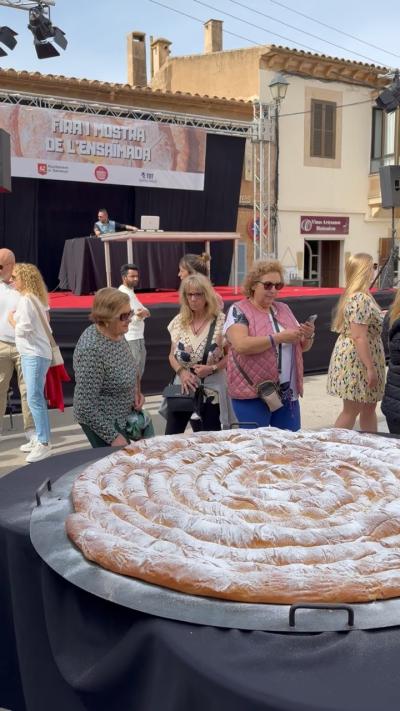
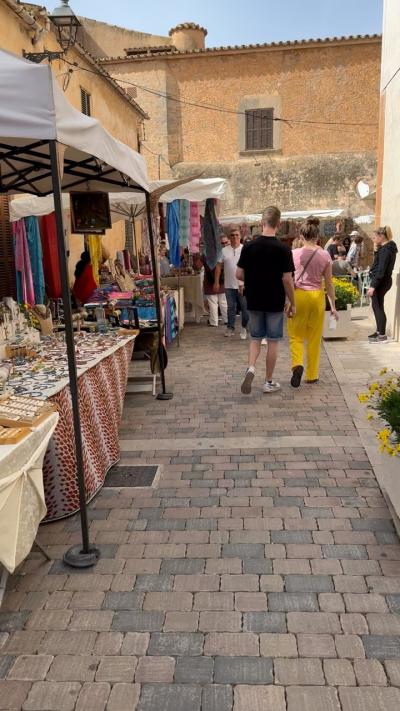
Walking through these towns and countryside, you experience more than just buildings: local artisan workshops, markets, and festivals like Sant Sebastià in Palma or the Festa de l’Ametler in Almudaina highlight the living traditions that continue to shape these spaces. Though Mallorca lacks the vast architectural replicas of other Spanish attractions, the authenticity and regional charm of its built environment offer something just as enriching for those interested in heritage and design.
In the north, historic towns such as Pollensa and Alcudia feature beautifully preserved medieval walls and narrow, winding streets that transport travelers back to earlier centuries. The architecture here combines Gothic and Moorish influences, much like other parts of Spain, yet maintains a distinct island character. Meanwhile, the Serra de Tramuntana’s terraced farms and dry stone walls stand out as a UNESCO World Heritage cultural landscape, demonstrating traditional agricultural practices linked to the region’s natural topography.
Walking through these towns and countryside, you experience more than just buildings: local artisan workshops, markets, and festivals like Sant Sebastià in Palma or the Festa de l’Ametler in Almudaina highlight the living traditions that continue to shape these spaces. Though Mallorca lacks the vast architectural replicas of other Spanish attractions, the authenticity and regional charm of its built environment offer something just as enriching for those interested in heritage and design.

More Fotos