Are there any natural caves or rock formations that visitors can explore around Mallorca?
Similar Topics
natural caves
cuevas del drach
tramuntana mountains
sea caves
cape formentor
cala varques
mallorca caves
tib bus network
Exploring natural caves is best timed outside the height of summer, when popular spots are less crowded and the weather is just right for outdoor adventures. The island's landscape, especially around the Tramuntana mountains and the eastern coast, is scattered with fascinating caves and rugged rock formations worth visiting. The Cuevas del Drach near Porto Cristo are among the most famous; their vast chambers and underground lake can be toured by boat, offering a mystical experience that reveals Mallorca’s geological history. Nearby, the smaller Cuevas dels Hams also feature captivating formations and a unique lighting show that highlights their delicate stalactites and stalagmites.
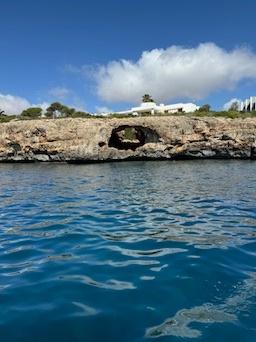
Further along the east coast, Cala Varques is a quieter cove where adventurous visitors can explore sea caves by swimming or kayaking along crystal-clear waters. In contrast, the cliffs around Cap de Formentor provide dramatic rock formations that, while not caves, offer stunning views and hiking opportunities along rugged paths. Inland, the Serra de Tramuntana’s limestone terrain includes less-marked caves that attract experienced spelunkers and hikers seeking solitude and natural beauty. For a seamless visit, the TIB bus network connects many of these spots, though some require a short walk or local guidance.
Whether you’re drawn to boat tours beneath monumental caverns or prefer discovering hidden sea caves along tranquil shores like Cala Llombards, these natural wonders complement Mallorca’s well-known cultural attractions. They remind visitors of the island’s ancient marine origins and offer a refreshing escape from the bustling towns of Palma or Alcudia. Just be sure to check accessibility before planning your trip, as some caves have limited seasonal opening hours to protect their delicate environments.
Further along the east coast, Cala Varques is a quieter cove where adventurous visitors can explore sea caves by swimming or kayaking along crystal-clear waters. In contrast, the cliffs around Cap de Formentor provide dramatic rock formations that, while not caves, offer stunning views and hiking opportunities along rugged paths. Inland, the Serra de Tramuntana’s limestone terrain includes less-marked caves that attract experienced spelunkers and hikers seeking solitude and natural beauty. For a seamless visit, the TIB bus network connects many of these spots, though some require a short walk or local guidance.
Whether you’re drawn to boat tours beneath monumental caverns or prefer discovering hidden sea caves along tranquil shores like Cala Llombards, these natural wonders complement Mallorca’s well-known cultural attractions. They remind visitors of the island’s ancient marine origins and offer a refreshing escape from the bustling towns of Palma or Alcudia. Just be sure to check accessibility before planning your trip, as some caves have limited seasonal opening hours to protect their delicate environments.
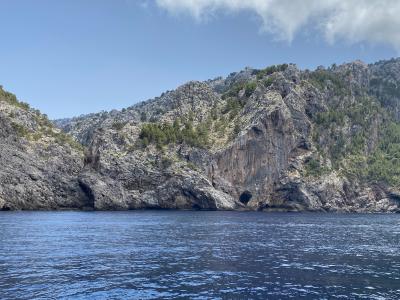
Sa Figuera
More Fotos



Related Questions
Related Question
What international beer brands are typically available in cafes and bars around Palma and other parts of the island?
Related Question
What distinctive shops and local artisans can I explore in Palma’s La Lonja district?
Related Question
How has the history of Valldemossa shaped its character and growth over time?