How do dining experiences differ between Mallorca’s coastal resorts and inland towns?
Similar Topics
mallorca dining
coastal resorts
inland towns
fresh seafood
sobrassada
binissalem wine
pa amb oli
tramuntana cuisine
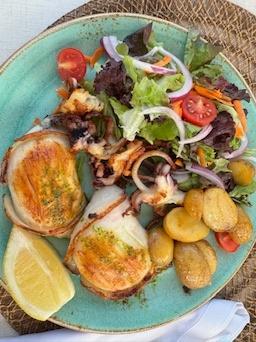
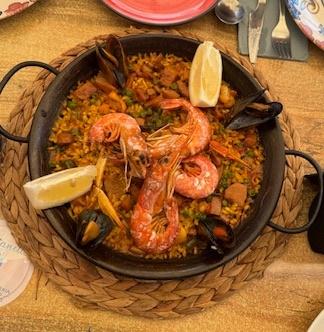
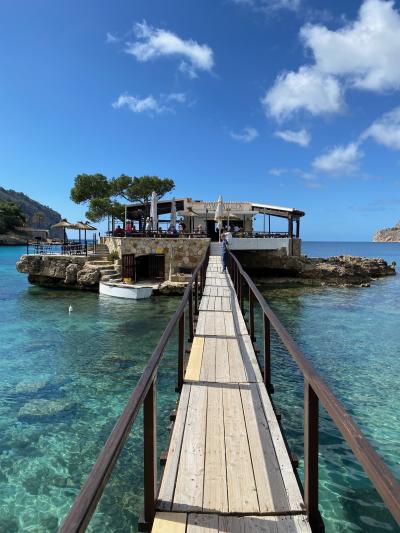
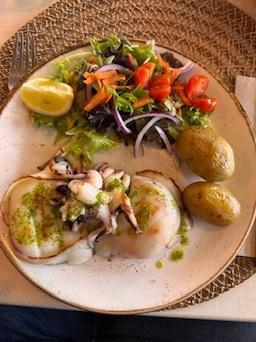
Sun-soaked mornings along the coast invite a menu brimming with fresh seafood, caught daily by local fishermen. Coastal resorts in places like Port de Pollenca or Cala d’Or tend to showcase dishes highlighting the abundant marine bounty—grilled sea bream, gambas a la plancha, and clams in sofrito are common. Light salads bursting with local tomatoes and olives, alongside chilled Binissalem wines or a refreshing Hierbas aperitif, create a dining atmosphere that mirrors the salty air and shimmering Mediterranean views.
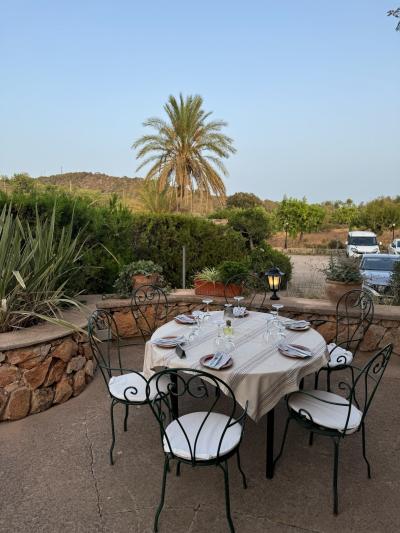
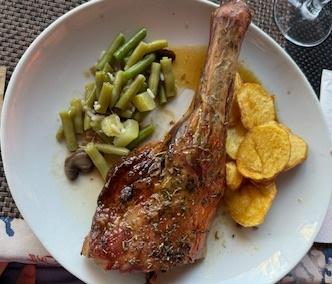
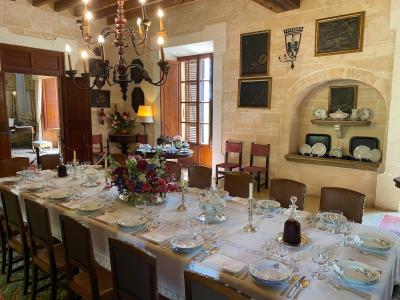
Venture inland towards villages such as Sineu or Alaró, and the culinary scene shifts to celebrate the fertile plains and rugged Tramuntana foothills. Here, hearty meals like tumbet, pa amb oli with sobrassada, and slow-cooked sobrasada-stuffed meats reflect the island’s agricultural heritage. Rustic stone farmhouses and family-run restaurants serve recipes passed down through generations, often accompanied by casks of strong Palo or earthy red wines from the local vineyards.
While the coast delights with vibrant, lighter fare suited to the beachside lifestyle, the interior offers comforting, earthy flavors tied closely to the land. Even the TIB buses connecting the Ma-13 coastal route to towns like Manacor and Inca reveal that dining transforms alongside the landscape. Whether savoring ensaimadas with coffee in a mountain café or fresh grilled fish beside the shore of Cala Llombards, each location offers an authentic taste of the island’s diverse food culture.
Venture inland towards villages such as Sineu or Alaró, and the culinary scene shifts to celebrate the fertile plains and rugged Tramuntana foothills. Here, hearty meals like tumbet, pa amb oli with sobrassada, and slow-cooked sobrasada-stuffed meats reflect the island’s agricultural heritage. Rustic stone farmhouses and family-run restaurants serve recipes passed down through generations, often accompanied by casks of strong Palo or earthy red wines from the local vineyards.
While the coast delights with vibrant, lighter fare suited to the beachside lifestyle, the interior offers comforting, earthy flavors tied closely to the land. Even the TIB buses connecting the Ma-13 coastal route to towns like Manacor and Inca reveal that dining transforms alongside the landscape. Whether savoring ensaimadas with coffee in a mountain café or fresh grilled fish beside the shore of Cala Llombards, each location offers an authentic taste of the island’s diverse food culture.
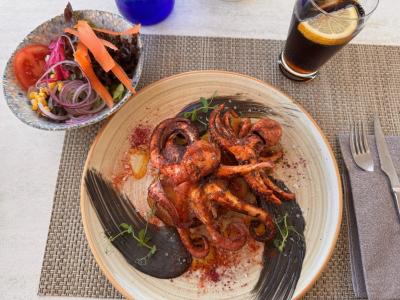
Cala Figuera
More Fotos