How does tourism impact wildlife conservation in Mallorca?
Similar Topics
Mallorca tourism
wildlife conservation
ecotourism
sustainable tourism
natural habitats
local biodiversity
responsible tourism
habitat degradation
endangered species
nature tours
Tourism in Mallorca plays a complex role in wildlife conservation, presenting both opportunities and challenges. On one hand, the influx of visitors brings awareness and funding for conservation initiatives. Many local organizations and projects rely on tourism revenue to protect endangered species and habitats. For instance, the Balearic Islands have seen a rise in ecotourism, where travelers are encouraged to participate in activities like birdwatching, hiking, and guided nature tours. These experiences not only educate tourists about local biodiversity but also foster a sense of stewardship for the environment, encouraging visitors to support conservation efforts.
However, the pressures of mass tourism can also threaten wildlife and natural habitats. Increased foot traffic in sensitive areas can lead to habitat degradation, disturbance of nesting sites, and pollution. Certain activities associated with tourism, such as water sports and off-road driving, can disrupt local ecosystems and put stress on wildlife populations. The challenge lies in balancing the economic benefits of tourism with the need to protect Mallorca's rich biodiversity and natural resources.
To mitigate these impacts, local authorities and conservation groups are increasingly implementing sustainable tourism practices. This includes promoting responsible tourism, establishing protected areas, and regulating visitor access to sensitive sites. By prioritizing sustainability and conservation, Mallorca can continue to be a vibrant destination for travelers while ensuring that its unique wildlife and landscapes are preserved for future generations. Ultimately, the relationship between tourism and wildlife conservation in Mallorca is one of interconnectedness, where mindful travel can lead to positive outcomes for both visitors and the environment.
However, the pressures of mass tourism can also threaten wildlife and natural habitats. Increased foot traffic in sensitive areas can lead to habitat degradation, disturbance of nesting sites, and pollution. Certain activities associated with tourism, such as water sports and off-road driving, can disrupt local ecosystems and put stress on wildlife populations. The challenge lies in balancing the economic benefits of tourism with the need to protect Mallorca's rich biodiversity and natural resources.
To mitigate these impacts, local authorities and conservation groups are increasingly implementing sustainable tourism practices. This includes promoting responsible tourism, establishing protected areas, and regulating visitor access to sensitive sites. By prioritizing sustainability and conservation, Mallorca can continue to be a vibrant destination for travelers while ensuring that its unique wildlife and landscapes are preserved for future generations. Ultimately, the relationship between tourism and wildlife conservation in Mallorca is one of interconnectedness, where mindful travel can lead to positive outcomes for both visitors and the environment.
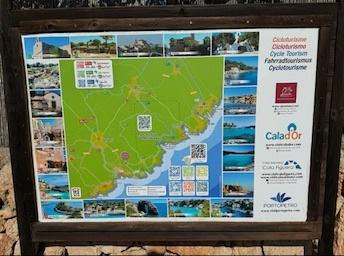
Cala Figuera
More Fotos