What is the historical importance of the Talaiot towers found around Mallorca?
Similar Topics
talaiot towers
bronze age
mallorca history
prehistoric sites
alcúdia archaeology
binissalem wine
sobrassada
balearic culture
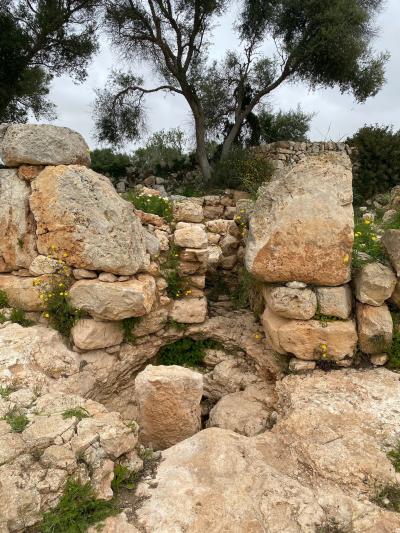
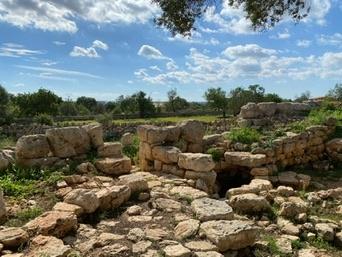
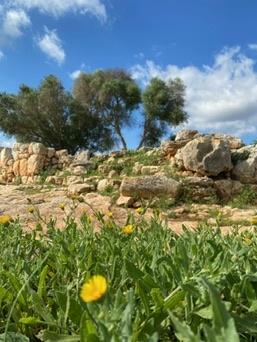
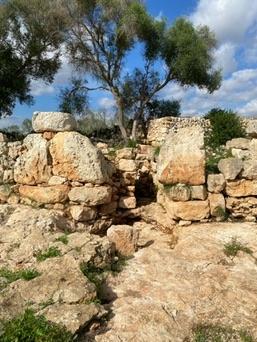
If you find yourself exploring the interior landscapes near towns like Alcúdia or Pollença, you might notice the remnants of ancient stone towers rising quietly from the countryside. These are talaiots, megalithic structures built during the Bronze Age and Iron Age by the Talaiotic culture, unique to the Balearic Islands. Their precise purpose remains partially a mystery, but they likely served defensive, communal, or ceremonial roles for early island inhabitants long before the Romans arrived.
Clusters of these towers are particularly notable near Manacor and in the plains around Llucmajor, offering a glimpse into a prehistoric society that valued strategic planning and fortification. They stand as testaments to a culture that thrived here from around 1000 BC to 300 BC, embodying an architectural tradition that predates even the medieval fortresses you can see along the coast. Walking among these monuments invites reflection on the island’s distant past, contrasting with the vibrant contemporary life found in Palma and the bustling seaside resorts.
While these ancient stones may not bear written records, the silence they hold speaks volumes about early island communities’ social structures and rituals. Visitors often combine visits to talaiot sites with a stop at nearby local markets to sample sobrassada or a glass of Binissalem wine, bridging history with the living flavors of Mallorca. Preserved amid vineyards and olive groves, these enigmatic towers remain an essential part of the island’s cultural tapestry, quietly witnessing centuries of change beneath the Mediterranean sun.
Clusters of these towers are particularly notable near Manacor and in the plains around Llucmajor, offering a glimpse into a prehistoric society that valued strategic planning and fortification. They stand as testaments to a culture that thrived here from around 1000 BC to 300 BC, embodying an architectural tradition that predates even the medieval fortresses you can see along the coast. Walking among these monuments invites reflection on the island’s distant past, contrasting with the vibrant contemporary life found in Palma and the bustling seaside resorts.
While these ancient stones may not bear written records, the silence they hold speaks volumes about early island communities’ social structures and rituals. Visitors often combine visits to talaiot sites with a stop at nearby local markets to sample sobrassada or a glass of Binissalem wine, bridging history with the living flavors of Mallorca. Preserved amid vineyards and olive groves, these enigmatic towers remain an essential part of the island’s cultural tapestry, quietly witnessing centuries of change beneath the Mediterranean sun.
Santanyí
More Fotos