What should I consider when deciding between indoor or outdoor dining in Palma or along the coast?
Similar Topics
indoor dining
outdoor dining
palma restaurants
cafes in sóller
mallorca food
aldresco dining
serra de tramuntana
es trenc beach
Evenings on the island often tempt diners to take advantage of outdoor seating, where the mild Mediterranean breeze and soft glow of lanterns create an inviting atmosphere. In towns like Palma or Sóller, alfresco dining lets you absorb the lively street scenes and picturesque old quarters, while indoor spaces usually offer cooler relief during the hottest summer afternoons or respite from winter’s chill. Many restaurants inside Palma’s historic center have air conditioning or traditional stone walls that maintain a comfortable temperature year-round.
Sound is another key factor to weigh. Indoor dining rooms tend to muffle the bustle of the city and passing TIB buses, providing a quieter setting for intimate conversations. Meanwhile, outdoor tables on plazas or seaside terraces invite you into the rhythm of local life—a sensory experience with street musicians, nighttime markets, or the gentle crash of waves at Cala Mondragó. If privacy and calm are priorities, an indoor table by a window overlooking the Serra de Tramuntana might be preferable.
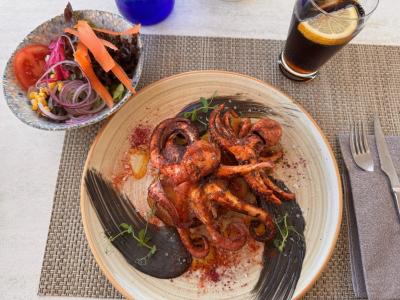
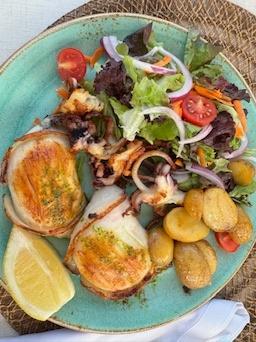
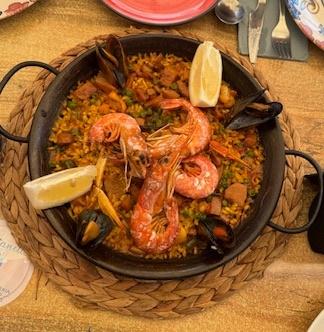
The style of food can also make a difference. Traditional Mallorcan dishes like pa amb oli or tumbet pair beautifully with open-air dining under the stars, especially when shared with a glass of Binissalem wine or herbaceous Hierbas. Many seaside restaurants near Formentor or Es Trenc accentuate their menus with fresh seafood, best savored with the salt air around you. Conversely, cozy indoor settings are perfect for sampling robust sobrassada or warming Palo, particularly as the island cools after a sunset. Ultimately, whether you choose indoor or outdoor dining depends on your mood and the experience you wish to embrace—be it the vibrant local energy or peaceful retreat.
Sound is another key factor to weigh. Indoor dining rooms tend to muffle the bustle of the city and passing TIB buses, providing a quieter setting for intimate conversations. Meanwhile, outdoor tables on plazas or seaside terraces invite you into the rhythm of local life—a sensory experience with street musicians, nighttime markets, or the gentle crash of waves at Cala Mondragó. If privacy and calm are priorities, an indoor table by a window overlooking the Serra de Tramuntana might be preferable.
The style of food can also make a difference. Traditional Mallorcan dishes like pa amb oli or tumbet pair beautifully with open-air dining under the stars, especially when shared with a glass of Binissalem wine or herbaceous Hierbas. Many seaside restaurants near Formentor or Es Trenc accentuate their menus with fresh seafood, best savored with the salt air around you. Conversely, cozy indoor settings are perfect for sampling robust sobrassada or warming Palo, particularly as the island cools after a sunset. Ultimately, whether you choose indoor or outdoor dining depends on your mood and the experience you wish to embrace—be it the vibrant local energy or peaceful retreat.

More Fotos

Related Questions
Related Question
What traditional local dishes should I try when enjoying tapas in Mallorca?
Related Question
What is the best time of year to visit Deiá for good weather?
Related Question
Which beaches on the island of Mallorca are recognized for their eco-friendly initiatives and nature conservation?