Are there specific areas in Mallorca that have different microclimates?
Similar Topics
Mallorca microclimates
Serra de Tramuntana
Palma beaches
Arenal nightlife
Magaluf resorts
Cala d'Or
Porto Cristo
Mallorca hiking
Mediterranean climate
Mallorca agriculture
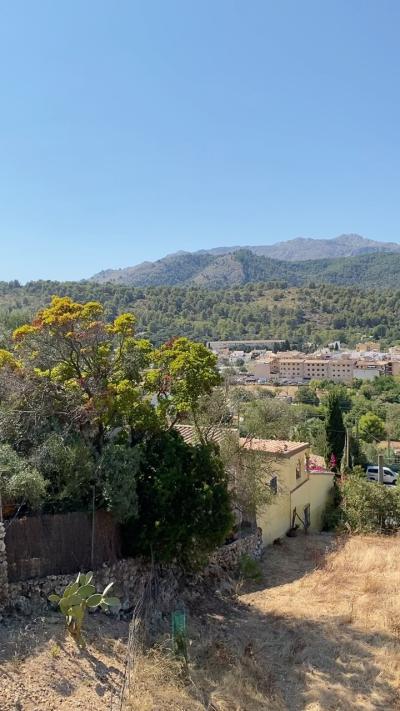
Yes, Mallorca is indeed home to a variety of microclimates, which can greatly influence your experience on the island. The diverse geography, including mountains, valleys, and coastal areas, contributes to these variations in climate. In the northern region, for instance, the Serra de Tramuntana mountain range creates a cooler and wetter environment compared to the southern parts of the island. This area is characterized by lush landscapes and a unique ecosystem that thrives in the cooler temperatures, making it a wonderful spot for hiking and exploring nature.
On the other hand, the southern coast, particularly around places like Palma and the beach resorts of Arenal and Magaluf, enjoys a more typical Mediterranean climate, with hot, dry summers and mild winters. This region is perfect for sun-seekers looking to bask on beautiful beaches and partake in vibrant nightlife. In contrast, the interior of the island, such as the areas around Inca and Sineu, is slightly more continental, featuring warmer summers and cooler winters, along with a more agricultural landscape that showcases Mallorca's traditional farming heritage.
Additionally, the eastern coast, where towns like Cala d'Or and Porto Cristo are located, experiences a different dynamic due to its proximity to the sea and the surrounding rocky cliffs. This area tends to be slightly more humid, creating a lush environment that supports a variety of flora. The combination of these microclimates not only enhances the island's natural beauty but also influences local agriculture, allowing for the production of unique wines and other regional specialties. Whether you're exploring the mountains or lounging by the sea, each area of Mallorca offers its own distinct charm shaped by these climatic variations.
On the other hand, the southern coast, particularly around places like Palma and the beach resorts of Arenal and Magaluf, enjoys a more typical Mediterranean climate, with hot, dry summers and mild winters. This region is perfect for sun-seekers looking to bask on beautiful beaches and partake in vibrant nightlife. In contrast, the interior of the island, such as the areas around Inca and Sineu, is slightly more continental, featuring warmer summers and cooler winters, along with a more agricultural landscape that showcases Mallorca's traditional farming heritage.
Additionally, the eastern coast, where towns like Cala d'Or and Porto Cristo are located, experiences a different dynamic due to its proximity to the sea and the surrounding rocky cliffs. This area tends to be slightly more humid, creating a lush environment that supports a variety of flora. The combination of these microclimates not only enhances the island's natural beauty but also influences local agriculture, allowing for the production of unique wines and other regional specialties. Whether you're exploring the mountains or lounging by the sea, each area of Mallorca offers its own distinct charm shaped by these climatic variations.
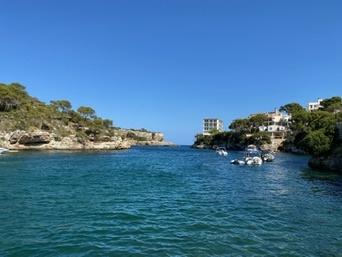
Cala Figuera
More Fotos