Are processionary caterpillars a risk to pets when walking near Mallorca's pine forests?
Similar Topics
processionary caterpillars
pet safety mallorca
serra de tramuntana
pine forest risks
dog leash mallorca
pet allergies
spring hazards
mallorca wildlife
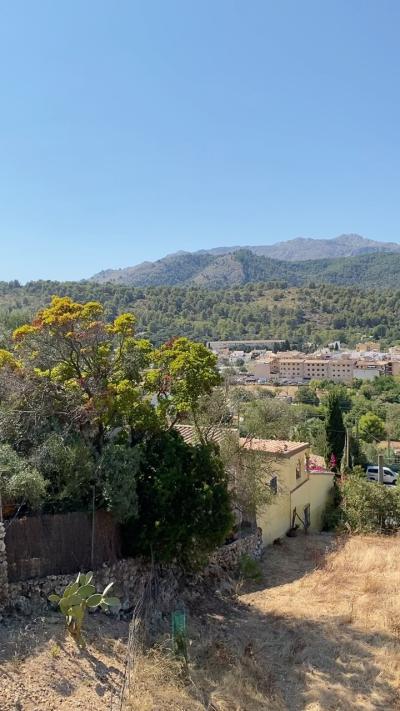
Dogs and cats can suffer serious reactions if they come into contact with processionary caterpillars, especially around the pine woodlands that fringe parts of the Serra de Tramuntana. These larvae have tiny, irritating hairs that trigger allergic responses, such as swelling of the mouth or throat, vomiting, or even more severe symptoms if the caterpillars are eaten or brushed against. The risk erupts most visibly in spring, when these caterpillars emerge and form their characteristic silken nests on pine branches. Hikers near towns like Valldemossa or Deia, or visitors exploring woodland trails accessed from the Ma-10 road, should stay alert during this period.
When out with your pet, it's wise to keep dogs on a leash and prevent cats from roaming near the copses where pine trees stand. Watch for the distinctive procession lines—the caterpillars’ traditional march—that indicate their presence. Avoid letting animals sniff or play near these nests if you spot them while walking near Tossalet or along rural paths off the Ma-13. In case of exposure, prompt veterinary attention is vital to manage allergic reactions or poisonings caused by the caterpillars’ toxins. Understanding this local hazard ensures your four-legged companions enjoy the island’s natural beauty without danger.
When out with your pet, it's wise to keep dogs on a leash and prevent cats from roaming near the copses where pine trees stand. Watch for the distinctive procession lines—the caterpillars’ traditional march—that indicate their presence. Avoid letting animals sniff or play near these nests if you spot them while walking near Tossalet or along rural paths off the Ma-13. In case of exposure, prompt veterinary attention is vital to manage allergic reactions or poisonings caused by the caterpillars’ toxins. Understanding this local hazard ensures your four-legged companions enjoy the island’s natural beauty without danger.

Platja de Muro
More Fotos