How close are forested areas to Mallorca's well-known beaches and coastal towns?
Similar Topics
serra de tramuntana
cala mondrago
es trenc beach
pollenca forests
tib bus network
soller railway
ma-10 road
palma coast
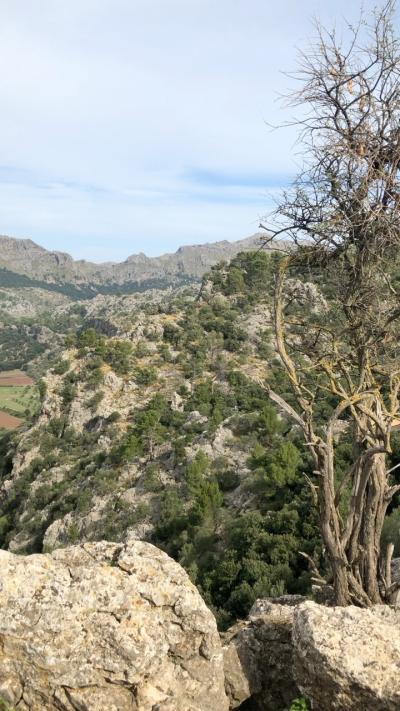
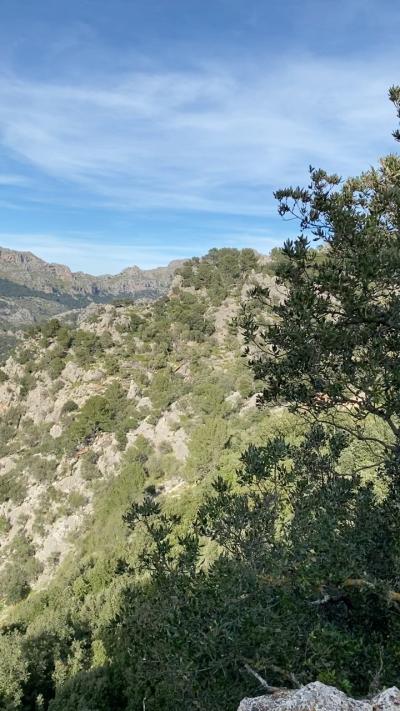
Locals rarely separate beach days from mountain walks when enjoying the island’s varied landscape. From the sun-drenched coves of Cala Mondrago or Es Trenc to the wooded hills behind Palma or along the north coast near Pollenca, it’s common to find dense pine groves and olive tree forests just a short distance inland. For example, the Serra de Tramuntana, a UNESCO World Heritage site, rises dramatically behind coastal towns like Soller and Deia, offering shaded trails under oaks and chestnuts only minutes from the shoreline.
You can easily combine a morning at Formentor beach with an afternoon walk among umbrella pines and wild herbs in the nearby headlands. Inland routes off the Ma-10 or Ma-13 lead into vast tracts of Mediterranean woodland, where scent and shade provide a cool contrast to sunbaked beaches. Even near Manacor or the east coast’s Cala Llombards, groves of carob and pine line rural paths that connect the sea to small mountain villages.
Public transport like the TIB buses can get you close to many of these spots, and the historic Soller railway offers an especially scenic route into forested hills from Palma, perfect for those looking for a mix of coastal and woodland scenery without needing a car. Whether wandering old olive terraces near Valldemossa or hiking shaded tracks above Alcudia, the island’s unique blend of sea and forest remains surprisingly accessible and woven into everyday island life.
You can easily combine a morning at Formentor beach with an afternoon walk among umbrella pines and wild herbs in the nearby headlands. Inland routes off the Ma-10 or Ma-13 lead into vast tracts of Mediterranean woodland, where scent and shade provide a cool contrast to sunbaked beaches. Even near Manacor or the east coast’s Cala Llombards, groves of carob and pine line rural paths that connect the sea to small mountain villages.
Public transport like the TIB buses can get you close to many of these spots, and the historic Soller railway offers an especially scenic route into forested hills from Palma, perfect for those looking for a mix of coastal and woodland scenery without needing a car. Whether wandering old olive terraces near Valldemossa or hiking shaded tracks above Alcudia, the island’s unique blend of sea and forest remains surprisingly accessible and woven into everyday island life.

Sa Calobra
More Fotos