How do tourists affect environmental conservation efforts on Mallorca?
Similar Topics
mallorca tourism
environmental conservation
serra de tramuntana
es trenc beach
sustainable travel
tramuntana hiking
binissalem wine
tib bus network
Tourism plays a pivotal role in both aiding and challenging conservation efforts across the island. With millions drawn annually to spots like Es Trenc’s pristine shores or the rugged trails of the Serra de Tramuntana, visitor fees and local government initiatives often rely on tourism revenue to fund nature reserves and protection programs. Many businesses in towns such as Pollença and Sóller actively promote sustainability, encouraging practices like responsible hiking on the Ma-10 or supporting local producers of sobrassada and other traditional foods that embrace eco-friendly methods.
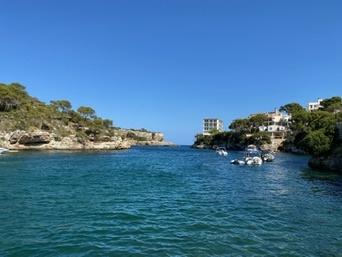
However, this influx also places considerable pressure on fragile habitats. Popular beaches like Cala Mondragó can suffer from erosion and pollution, while heavy traffic on routes such as the Ma-13 or Ma-19 sometimes degrades surrounding landscapes. In peak season, crowded trails or cove access can disturb native flora and fauna, especially when visitors stray from marked paths or leave litter behind. Public transport options, including the TIB buses and the historic Sóller railway, help reduce carbon footprints, but many still rely on private cars that contribute to congestion and emissions.
Tourists who respect local guidelines, such as adhering to no-swim zones around protected marine reserves or supporting eco-conscious shops and wineries in Binissalem, greatly aid conservation goals. By choosing sustainable accommodations, minimizing waste, and appreciating events like the Festa de l'Ametler, travellers can help conserve this unique Mediterranean environment. Ultimately, a thoughtful visitor’s choices can tip the balance towards preserving the island’s extraordinary landscapes and wildlife for future generations.
However, this influx also places considerable pressure on fragile habitats. Popular beaches like Cala Mondragó can suffer from erosion and pollution, while heavy traffic on routes such as the Ma-13 or Ma-19 sometimes degrades surrounding landscapes. In peak season, crowded trails or cove access can disturb native flora and fauna, especially when visitors stray from marked paths or leave litter behind. Public transport options, including the TIB buses and the historic Sóller railway, help reduce carbon footprints, but many still rely on private cars that contribute to congestion and emissions.
Tourists who respect local guidelines, such as adhering to no-swim zones around protected marine reserves or supporting eco-conscious shops and wineries in Binissalem, greatly aid conservation goals. By choosing sustainable accommodations, minimizing waste, and appreciating events like the Festa de l'Ametler, travellers can help conserve this unique Mediterranean environment. Ultimately, a thoughtful visitor’s choices can tip the balance towards preserving the island’s extraordinary landscapes and wildlife for future generations.
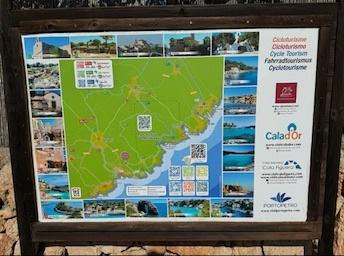
Cala Figuera
More Fotos