How were the famous caves in Mallorca, like the Drach Caves, formed over time?
Similar Topics
mallorca caves
drach caves
stalactites
stalagmites
limestone formations
portocristo caves
tramuntana geology
subterranean lakes
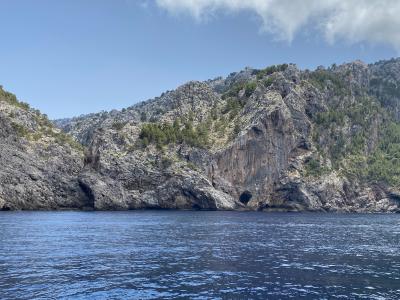
Many visitors expect the island’s caves to be vast, open chambers carved by sudden events, but their formation is a slow, patient process rooted in millennia of geological activity. Beneath towns like Porto Cristo, rainwater enriched with carbon dioxide seeps through the porous limestone, gradually dissolving the rock to create underground cavities. Over thousands of years, these cavities expanded into the spectacular grottos and tunnels found in caves such as the Cuevas del Drach and the Cuevas dels Hams.
Inside these caves, stalactites hang delicately from the ceilings while stalagmites rise from the floors, both formed by mineral-rich water dripping over an uncountable number of years. The slow evaporation of water leaves behind calcium carbonate deposits that build these iconic dripstone formations. The result is a natural underground gallery that seems as timeless as the Serra de Tramuntana mountains above.
Exploring these caves aboard small boats on the subterranean lakes or wandering with a guide reveals more than just dazzling rock formations; it connects visitors to a gradual natural masterpiece shaped by water’s persistent flow. The knowledge shared on guided tours highlights how subtle climate changes and the island’s unique geology have contributed to the caves’ ongoing evolution, offering a glimpse deep into Mallorca’s ancient past.
Inside these caves, stalactites hang delicately from the ceilings while stalagmites rise from the floors, both formed by mineral-rich water dripping over an uncountable number of years. The slow evaporation of water leaves behind calcium carbonate deposits that build these iconic dripstone formations. The result is a natural underground gallery that seems as timeless as the Serra de Tramuntana mountains above.
Exploring these caves aboard small boats on the subterranean lakes or wandering with a guide reveals more than just dazzling rock formations; it connects visitors to a gradual natural masterpiece shaped by water’s persistent flow. The knowledge shared on guided tours highlights how subtle climate changes and the island’s unique geology have contributed to the caves’ ongoing evolution, offering a glimpse deep into Mallorca’s ancient past.

Cales de Mallorca
More Fotos