How has the language evolved in Mallorca over the past few decades?
Similar Topics
Mallorca language
Mallorquí dialect
Catalan language
Spanish language
tourism in Mallorca
multilingual Mallorca
bilingual education
Mallorca culture
linguistic heritage
Mallorca identity
Mallorca, like many regions, has seen significant shifts in its language landscape over the past few decades, reflecting broader cultural and social changes. The primary languages spoken on the island are Catalan, specifically the Mallorquí dialect, and Spanish. While Catalan has deep historical roots in the region, its prominence has fluctuated in response to tourism, education, and migration. In recent years, there has been a concerted effort to promote and preserve the Catalan language, especially among younger generations, fostering a sense of local identity and pride.
The rise of tourism has also influenced language use, leading to an increased prevalence of English and other languages, particularly in coastal areas and major cities. Many locals, especially those working in the hospitality and service sectors, have become multilingual to cater to the diverse visitor base. This blending of languages has created a unique linguistic environment where traditional Mallorquí expressions coexist with modern influences, creating a vibrant and dynamic atmosphere.
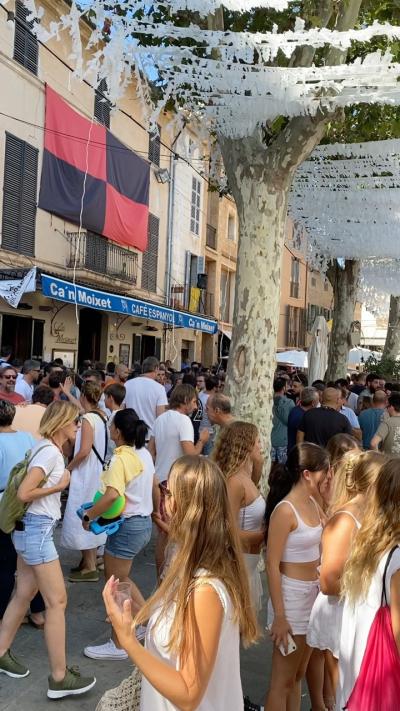
In educational institutions, there's been a push for bilingual teaching, allowing students to learn both Catalan and Spanish, which helps to strengthen the local language. Additionally, cultural initiatives, such as festivals and literature promoting the Mallorquí dialect, have gained traction, encouraging residents to embrace and use their native language in everyday life. Overall, while the linguistic landscape of Mallorca continues to evolve in response to external influences, there remains a strong commitment to preserving its rich linguistic heritage.
The rise of tourism has also influenced language use, leading to an increased prevalence of English and other languages, particularly in coastal areas and major cities. Many locals, especially those working in the hospitality and service sectors, have become multilingual to cater to the diverse visitor base. This blending of languages has created a unique linguistic environment where traditional Mallorquí expressions coexist with modern influences, creating a vibrant and dynamic atmosphere.
In educational institutions, there's been a push for bilingual teaching, allowing students to learn both Catalan and Spanish, which helps to strengthen the local language. Additionally, cultural initiatives, such as festivals and literature promoting the Mallorquí dialect, have gained traction, encouraging residents to embrace and use their native language in everyday life. Overall, while the linguistic landscape of Mallorca continues to evolve in response to external influences, there remains a strong commitment to preserving its rich linguistic heritage.

Cala Figuera
More Fotos




Related Questions
Related Question
Which beaches on the island are best for toddlers with shallow, calm waters?
Related Question
How often are holiday rental pools in Mallorca cleaned and maintained during the summer?
Related Question
Are there any traditional dishes in Mallorca that show ancient Mediterranean influences?