How can visitors best use public buses to explore Mallorca's towns and beaches?
Similar Topics
mallorca buses
tib bus network
es trenc beach
tramuntana transport
soller train
public transport tips
alcudia markets
cala mondrago
Getting around the island by bus offers a fantastic way to soak up the local atmosphere while visiting places beyond Palma. The TIB network connects a wide range of destinations, from the white sands of Es Trenc on the southeast coast to the dramatic northern tip at Formentor. Before you set out, it’s worth checking the latest schedules online or at local stops, since services can vary seasonally and on weekends, especially if you're headed up the winding Ma-10 through the Tramuntana mountains to Soller or Valldemossa. Planning routes in advance ensures you don't miss the infrequent buses to smaller coves like Cala Mondrago or inland towns like Manacor, famous for its pearl industry and ensaimadas.
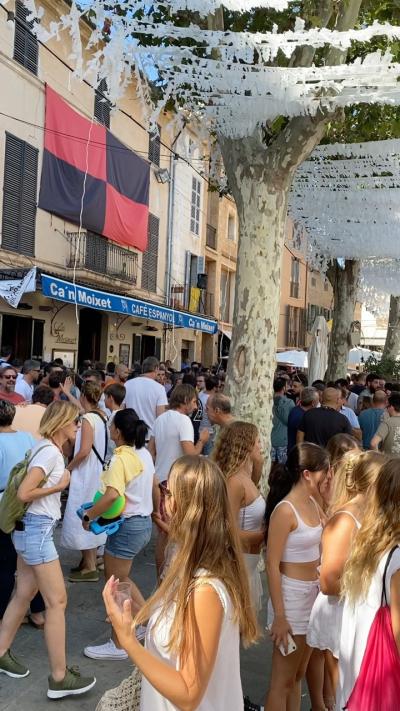
When boarding, have cash on hand since many buses do not accept card payments, and fares vary depending on distance. Unlike in bigger cities, transfers aren’t always free here, so make the journey count. Drivers are generally friendly but busy, so try to have a clear question or destination ready rather than expecting lengthy conversations. If you prefer more flexibility, combining bus trips with short taxi rides or renting a bike once you've arrived can open up hidden gems like the hilltop villages of Deia or Pollenca. Keep in mind the buses can be crowded during island festivals such as Sant Sebastià in Palma, so travel off-peak if you want a more comfortable experience.
Despite a few quirks, embracing public transport brings you closer to authentic island life, whether you’re heading to a bustling market in Alcudia or sampling a local lunch of tumbet and sobrassada in a roadside café. The scenic routes, such as the stretch between Palma and Soller on the old railway that parallels some bus lines, remind you that the journey often becomes part of the destination itself.
When boarding, have cash on hand since many buses do not accept card payments, and fares vary depending on distance. Unlike in bigger cities, transfers aren’t always free here, so make the journey count. Drivers are generally friendly but busy, so try to have a clear question or destination ready rather than expecting lengthy conversations. If you prefer more flexibility, combining bus trips with short taxi rides or renting a bike once you've arrived can open up hidden gems like the hilltop villages of Deia or Pollenca. Keep in mind the buses can be crowded during island festivals such as Sant Sebastià in Palma, so travel off-peak if you want a more comfortable experience.
Despite a few quirks, embracing public transport brings you closer to authentic island life, whether you’re heading to a bustling market in Alcudia or sampling a local lunch of tumbet and sobrassada in a roadside café. The scenic routes, such as the stretch between Palma and Soller on the old railway that parallels some bus lines, remind you that the journey often becomes part of the destination itself.

Cala Figuera
More Fotos