How do the farming practices in Mallorca differ from those in other regions?
Similar Topics
mallorca farming
mediterranean agriculture
sustainable practices
agrotourism in Mallorca
organic produce
local cuisine Mallorca
traditional farming techniques
family-run farms
crop rotation
mallorca travel
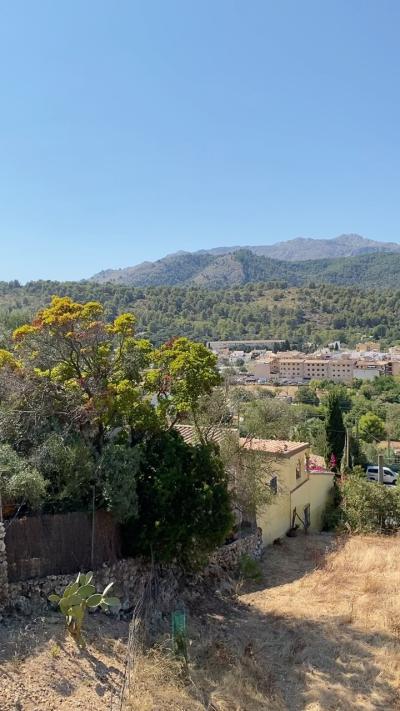
Mallorca's farming practices are deeply influenced by its Mediterranean climate, which features hot, dry summers and mild, wet winters. This environment allows for the cultivation of a variety of crops that are well-suited to the region, such as olives, almonds, and grapes. The island's agricultural landscape is characterized by terraced fields and traditional dry-stone walls, a nod to its long history of farming that dates back to ancient times. Unlike many other regions, where large-scale industrial farming might dominate, Mallorca maintains a strong focus on small-scale, family-run farms. This approach not only preserves local traditions but also promotes the cultivation of organic produce, which is increasingly sought after by both locals and visitors.
In contrast to more industrialized agricultural regions, such as parts of the United States or the Netherlands, Mallorca relies heavily on traditional techniques and sustainable practices. Farmers often use rainwater harvesting and crop rotation to maintain soil health and conserve water, a necessity given the island's limited freshwater resources. Additionally, the concept of "agrotourism" has gained popularity, allowing visitors to experience the local farming lifestyle firsthand while also supporting these small businesses. Many farms offer tours, tastings, and workshops, making it a unique opportunity to learn about the island's agricultural heritage.
Furthermore, the culinary scene in Mallorca is significantly shaped by its agricultural practices. The island produces a wealth of locally sourced ingredients that are celebrated in traditional dishes, such as sobrasada and ensaimada. This farm-to-table philosophy not only enhances the dining experience but also fosters a deeper connection between the land and its people. Visitors to Mallorca have the chance to savor the authentic flavors of the island while gaining insight into the sustainable practices that keep its agricultural traditions alive. Overall, Mallorca's farming methods are a harmonious blend of history, sustainability, and local culture, making it a distinctive part of the island's identity.
In contrast to more industrialized agricultural regions, such as parts of the United States or the Netherlands, Mallorca relies heavily on traditional techniques and sustainable practices. Farmers often use rainwater harvesting and crop rotation to maintain soil health and conserve water, a necessity given the island's limited freshwater resources. Additionally, the concept of "agrotourism" has gained popularity, allowing visitors to experience the local farming lifestyle firsthand while also supporting these small businesses. Many farms offer tours, tastings, and workshops, making it a unique opportunity to learn about the island's agricultural heritage.
Furthermore, the culinary scene in Mallorca is significantly shaped by its agricultural practices. The island produces a wealth of locally sourced ingredients that are celebrated in traditional dishes, such as sobrasada and ensaimada. This farm-to-table philosophy not only enhances the dining experience but also fosters a deeper connection between the land and its people. Visitors to Mallorca have the chance to savor the authentic flavors of the island while gaining insight into the sustainable practices that keep its agricultural traditions alive. Overall, Mallorca's farming methods are a harmonious blend of history, sustainability, and local culture, making it a distinctive part of the island's identity.

Cala Figuera
More Fotos

Related Questions
Related Question
Can you tell me about any famous historical figures who visited or lived in Mallorca?
Related Question
Are there any discounts for families or groups visiting attractions and tours on Mallorca?
Related Question
Are drinks at rooftop bars in Palma more expensive than at regular local bars?