What role do churches play in the community life of Mallorca's towns and villages?
Similar Topics
mallorca churches
local festivals
community hub
sant sebastia
festa de l'ametler
valldemossa church
palma events
tramuntana villages
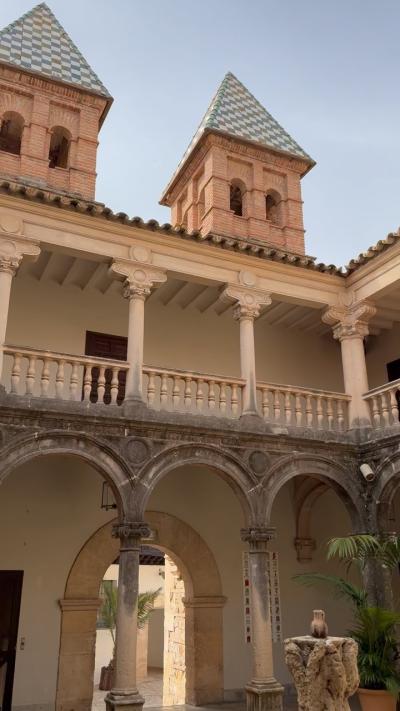
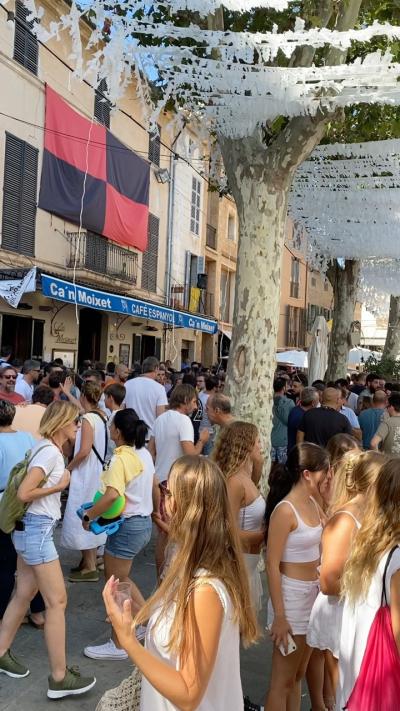
Over recent years, the role of churches across towns like Pollença, Alcúdia, and Valldemossa has gradually evolved beyond purely spiritual functions. While many residents still attend Mass and find solace in the island’s historic churches, these buildings now often serve as focal points for cultural and social gatherings as well. Events tied to local festivals, such as the vibrant Sant Sebastià celebrations in Palma or the Festa de l’Ametler in Campos, often centre around churches, weaving faith and tradition into communal identity.
Churches frequently act as hubs for locals of all ages, hosting charity events and community meals that help strengthen neighbourhood bonds. For instance, in smaller villages like Deià or Soller, the church is as much a part of daily social life as it is a place for worship, providing continuity in a changing cultural landscape. Nonetheless, attitudes towards the church’s role can vary, with some appreciating its preservation of heritage and spiritual guidance, while others see it as less central to modern life, especially among younger generations.
Despite these differing views, the church remains intertwined with Mallorcan identity, helping sustain local traditions and providing spaces where the community can gather away from the bustle of the Ma-13 or Ma-19 roads. Whether through hosting music recitals, art exhibitions, or communal celebrations tied to Palma’s Nit de Foc, these institutions still nurture a strong collective spirit. The interplay between religious observance and social function keeps churches vital, even as the island slowly embraces more secular lifestyles and growing tourism influences.
Churches frequently act as hubs for locals of all ages, hosting charity events and community meals that help strengthen neighbourhood bonds. For instance, in smaller villages like Deià or Soller, the church is as much a part of daily social life as it is a place for worship, providing continuity in a changing cultural landscape. Nonetheless, attitudes towards the church’s role can vary, with some appreciating its preservation of heritage and spiritual guidance, while others see it as less central to modern life, especially among younger generations.
Despite these differing views, the church remains intertwined with Mallorcan identity, helping sustain local traditions and providing spaces where the community can gather away from the bustle of the Ma-13 or Ma-19 roads. Whether through hosting music recitals, art exhibitions, or communal celebrations tied to Palma’s Nit de Foc, these institutions still nurture a strong collective spirit. The interplay between religious observance and social function keeps churches vital, even as the island slowly embraces more secular lifestyles and growing tourism influences.

Cala Figuera
More Fotos




Related Questions
Related Question
Are there any parking options available near Cala Varques?
Related Question
Are there any bakeries on the island known for putting a creative spin on traditional Mallorcan pastries?
Related Question
How have the churches on Mallorca changed in design and community importance over the centuries?