What makes staying at a finca in Mallorca different from a regular hotel experience?
Similar Topics
finca stay mallorca
rural accommodation
serra de tramuntana
sobrassada
pa amb oli
pollenca
binissalem wine
tib bus network
In recent years, the appeal of staying in a finca has grown as visitors seek a more authentic and tranquil retreat away from the busier towns and resorts. These traditional rural estates, many nestled within the rolling landscapes of the Serra de Tramuntana or scattered around towns like Soller and Pollenca, offer an intimate escape framed by centuries-old stone walls, olive groves, and almonds orchards. Unlike the uniformity of hotels along the Ma-19 or near Palma, fincas provide a distinct sense of place rooted in Mallorcan culture and heritage.
The atmosphere in a finca is characteristically calm and rooted in local traditions. Hosts often greet guests personally, sharing stories about the estate's historic role or the nearby village life, whether in the peaceful hilltop villages of Valldemossa or Deia. Many fincas serve up traditional dishes such as pa amb oli with sobrassada or homemade tumbet, often made with ingredients sourced from their own land or local markets in Manacor. This connection to the island's agricultural past and culinary heritage creates an experience that feels warmly genuine, far removed from the polished, busy lobbies of conventional hotels.
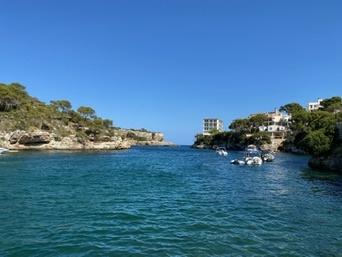
With sweeping views over the countryside or serene coves like Cala Mondrago and Cala Llombards, fincas encourage relaxation in stunning surroundings. The pace here allows you to unwind, enjoy Binissalem wines on a terrace, or explore the island’s quieter paths, reached via the TIB bus network or the scenic Soller railway. Staying in a finca means embracing Mallorca’s rhythms—the morning markets, the gentle hum of cicadas, and evenings marked by local festivals such as Nit de Foc—allowing for a meaningful stay that balances comfort with cultural immersion.
The atmosphere in a finca is characteristically calm and rooted in local traditions. Hosts often greet guests personally, sharing stories about the estate's historic role or the nearby village life, whether in the peaceful hilltop villages of Valldemossa or Deia. Many fincas serve up traditional dishes such as pa amb oli with sobrassada or homemade tumbet, often made with ingredients sourced from their own land or local markets in Manacor. This connection to the island's agricultural past and culinary heritage creates an experience that feels warmly genuine, far removed from the polished, busy lobbies of conventional hotels.
With sweeping views over the countryside or serene coves like Cala Mondrago and Cala Llombards, fincas encourage relaxation in stunning surroundings. The pace here allows you to unwind, enjoy Binissalem wines on a terrace, or explore the island’s quieter paths, reached via the TIB bus network or the scenic Soller railway. Staying in a finca means embracing Mallorca’s rhythms—the morning markets, the gentle hum of cicadas, and evenings marked by local festivals such as Nit de Foc—allowing for a meaningful stay that balances comfort with cultural immersion.
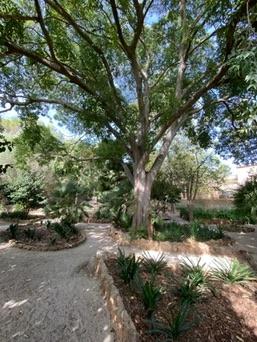
Galilea
More Fotos




Related Questions
Related Question
How do dining experiences in Mallorca's towns compare to other destinations nearby?
Related Question
How can I determine the difficulty of hiking routes in Mallorca’s Tramuntana mountains?
Related Question
What interactive activities and exhibits are available for young children on Mallorca?