How important is the Catalan language during Mallorca's cultural festivals?
Similar Topics
catalan language
mallorca festivals
sant sebastia
nit de foc
festa de l'ametler
pollenca
palma
cultural heritage
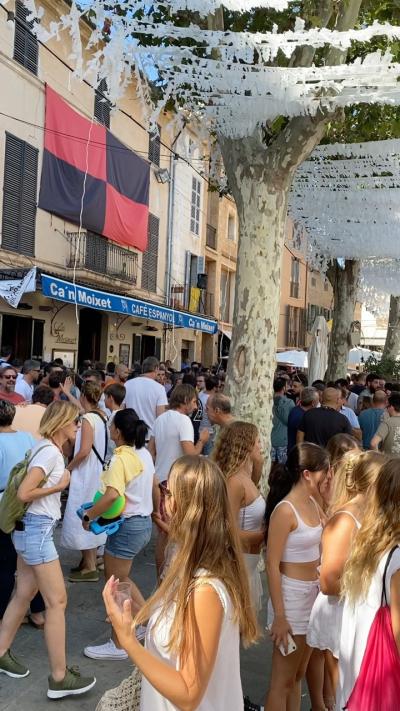
Strolling through Palma's narrow streets during the Nit de Foc or wandering the alleys of Pollenca at the Festa de l'Ametler, you'll hear Catalan spoken and sung everywhere. The language is not just a practical means of communication but a key thread woven through the island's cultural celebrations, giving them their unmistakable local flavour. From speeches at the Sant Sebastià festival to traditional songs and dances performed in visual and oral storytelling, Catalan shapes the communal spirit and connects attendees to Mallorca’s deep-rooted heritage.
Catalan is also the language of choice for local artisans and performers who enliven festivals with centuries-old customs, whether it’s a public reading in Valldemossa or flamenco-inspired interpretations in Deià. The signage around markets, banners fluttering in the breeze, and even the menus at street food stalls reflect this pride in linguistic identity. It serves both as cultural preservation and a warm invitation for visitors to engage more authentically with island life.
By emphasising Catalan, festivals not only celebrate Mallorca’s unique traditions but also provide insight into a resilient language that binds communities across the Balearics. For travellers curious about local life, embracing the sounds of Catalan adds an enriching layer to any celebration here, be it a raucous night in Alcúdia or a quiet moment watching the sun set over Cala Mondragó. The language and the festivities together offer a meaningful passage into Mallorca’s past, present, and living culture.
Catalan is also the language of choice for local artisans and performers who enliven festivals with centuries-old customs, whether it’s a public reading in Valldemossa or flamenco-inspired interpretations in Deià. The signage around markets, banners fluttering in the breeze, and even the menus at street food stalls reflect this pride in linguistic identity. It serves both as cultural preservation and a warm invitation for visitors to engage more authentically with island life.
By emphasising Catalan, festivals not only celebrate Mallorca’s unique traditions but also provide insight into a resilient language that binds communities across the Balearics. For travellers curious about local life, embracing the sounds of Catalan adds an enriching layer to any celebration here, be it a raucous night in Alcúdia or a quiet moment watching the sun set over Cala Mondragó. The language and the festivities together offer a meaningful passage into Mallorca’s past, present, and living culture.
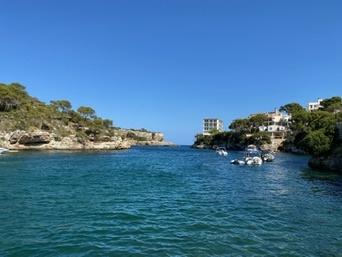
Cala Figuera
More Fotos