How do Mallorca's environmental policies affect tourism on the island?
Similar Topics
sustainable tourism
mallorca beaches
serra de tramuntana
sobrassada
tib bus
binissalem wine
formentor
palma metro
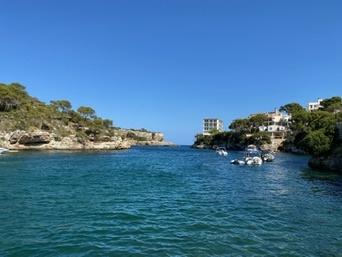
Costs and logistical considerations often come into focus when visiting popular spots like Cala Mondrago or Es Trenc, especially with policies designed to protect these fragile coastal ecosystems. By limiting visitor numbers and regulating activities in sensitive areas, local authorities help preserve the natural beauty that draws travelers to places such as Formentor or the Serra de Tramuntana’s hiking trails. While such measures might reduce instant tourist traffic, they are crucial in avoiding overcrowding and degradation that could diminish visitors’ experiences over time.
Sustainability initiatives extend beyond conservation, shaping the visitor experience through support for traditional trades and agriculture. The promotion of local products—like Binissalem wines, sobrassada, and ensaimadas—find a stronger market thanks to policies encouraging responsible tourism. Festivals such as Sant Sebastià in Palma or the Festa de l’Ametler in the north demonstrate how community engagement enhances cultural tourism, deepening travelers’ connection with authentic island life.
Transportation policies, including the enhancement of the TIB bus network and encouragement to use the Palma metro or the vintage Soller railway, also reflect an effort to reduce environmental impact. These provisions provide visitors with convenient, eco-conscious ways to explore the island’s varied landscapes without relying excessively on cars. By balancing accessibility with preservation, Mallorca’s approach ensures that both natural wonders and cultural heritage remain vibrant for future generations and continue to enrich the visitor experience.
Sustainability initiatives extend beyond conservation, shaping the visitor experience through support for traditional trades and agriculture. The promotion of local products—like Binissalem wines, sobrassada, and ensaimadas—find a stronger market thanks to policies encouraging responsible tourism. Festivals such as Sant Sebastià in Palma or the Festa de l’Ametler in the north demonstrate how community engagement enhances cultural tourism, deepening travelers’ connection with authentic island life.
Transportation policies, including the enhancement of the TIB bus network and encouragement to use the Palma metro or the vintage Soller railway, also reflect an effort to reduce environmental impact. These provisions provide visitors with convenient, eco-conscious ways to explore the island’s varied landscapes without relying excessively on cars. By balancing accessibility with preservation, Mallorca’s approach ensures that both natural wonders and cultural heritage remain vibrant for future generations and continue to enrich the visitor experience.
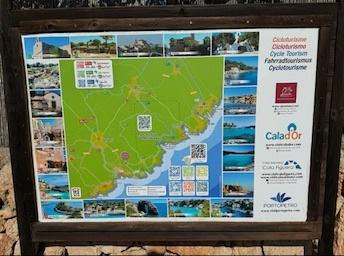
Cala Figuera
More Fotos