How is traditional folklore reflected in daily life and festivals on the island?
Similar Topics
mallorca folklore
serra de tramuntana
sant sebastia festival
festa de l'ametler
pa amb oli
hierbas liqueur
valldemossa stories
tumbet dish
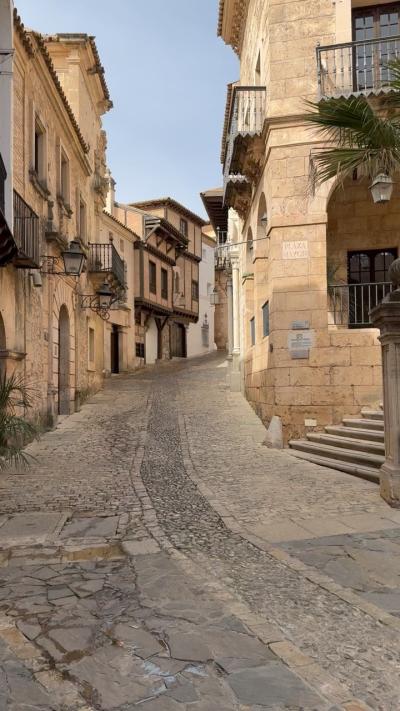
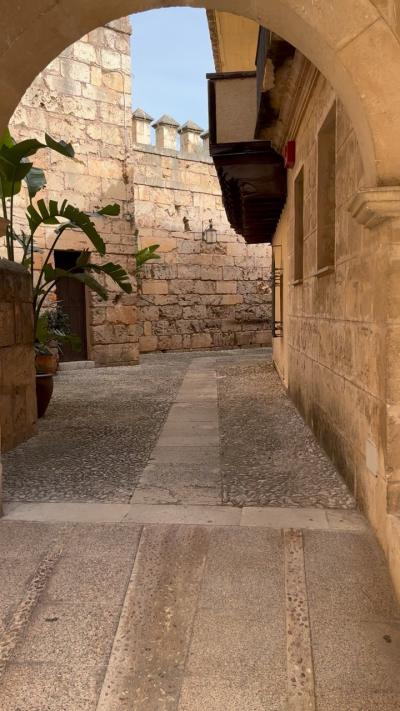
On the island, the contrast between bustling Palma and the tranquil villages of the Serra de Tramuntana shapes how folklore is woven into everyday life. In towns like Valldemossa and Deià, age-old legends and stories are cherished and passed down by locals, often shared in quiet conversations over a café con leche. Elders keep oral traditions alive by recounting tales of mythical beings, historic heroes, and religious legends that echo through generations. Children grow up surrounded by these stories, which help root them in the island’s rich cultural soil and foster a shared identity.
Folklore bursts into vibrant life during annual festivals such as Sant Sebastià in Palma or the Festa de l’Ametler in Sóller. Here, traditional dances, music, and colorful costumes bring centuries-old myths and customs into the streets. Revelers might see groups reenacting stories or watch performances inspired by the island’s unique heritage while savoring local fare like pa amb oli or indulging in Hierbas and Palo liqueurs. Even local food carries echoes of folklore; dishes like tumbet or sobrassada often find their way to the festive table, linking culinary customs to celebrations of seasonal cycles and religious occasions.
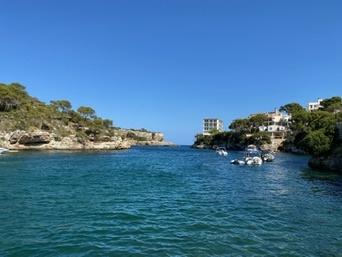
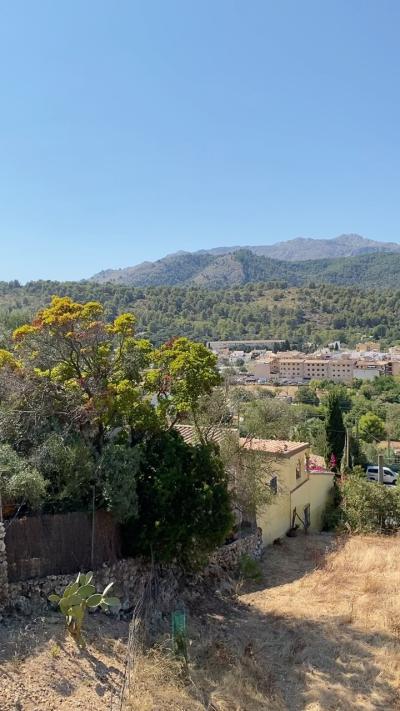
The sea and mountains also play crucial roles in folklore’s hold on daily life. Coastal towns such as Port de Pollença and beaches like Cala Mondragó inspire legends of mermaids and sea spirits, while the rugged Tramuntana landscape feeds narratives about hidden treasures and ancient hermits. Engaging with these living traditions offers travelers an intimate glimpse into how the island’s people remain deeply connected to their past, making every festival or village encounter a chance to experience the island’s soul beyond the usual sights.
Folklore bursts into vibrant life during annual festivals such as Sant Sebastià in Palma or the Festa de l’Ametler in Sóller. Here, traditional dances, music, and colorful costumes bring centuries-old myths and customs into the streets. Revelers might see groups reenacting stories or watch performances inspired by the island’s unique heritage while savoring local fare like pa amb oli or indulging in Hierbas and Palo liqueurs. Even local food carries echoes of folklore; dishes like tumbet or sobrassada often find their way to the festive table, linking culinary customs to celebrations of seasonal cycles and religious occasions.
The sea and mountains also play crucial roles in folklore’s hold on daily life. Coastal towns such as Port de Pollença and beaches like Cala Mondragó inspire legends of mermaids and sea spirits, while the rugged Tramuntana landscape feeds narratives about hidden treasures and ancient hermits. Engaging with these living traditions offers travelers an intimate glimpse into how the island’s people remain deeply connected to their past, making every festival or village encounter a chance to experience the island’s soul beyond the usual sights.
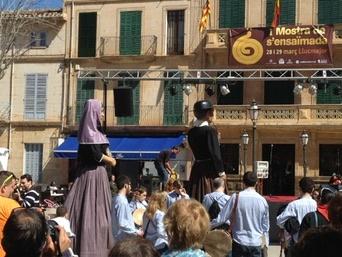
Llucmajor
More Fotos