What traditional Mallorcan dishes should I try to truly experience the island's cuisine?
Similar Topics
pa amb oli
sobrassada
ensaimada
tumbet
hierbas liqueur
palo drink
mallorca cuisine
local markets
The culinary heritage of the island is deeply tied to its agricultural past and Mediterranean roots. Among its traditional dishes, pa amb oli stands out as a simple yet iconic favorite: rustic bread rubbed with ripe tomatoes and drizzled with local olive oil, often accompanied by sobrassada, a cured sausage rich in paprika and spices, reflecting the island’s pastoral traditions. Another staple is tumbet, a vibrant vegetable bake with layers of eggplant, red peppers, and potatoes in a garlicky tomato sauce, showcasing the flavors of the local produce.
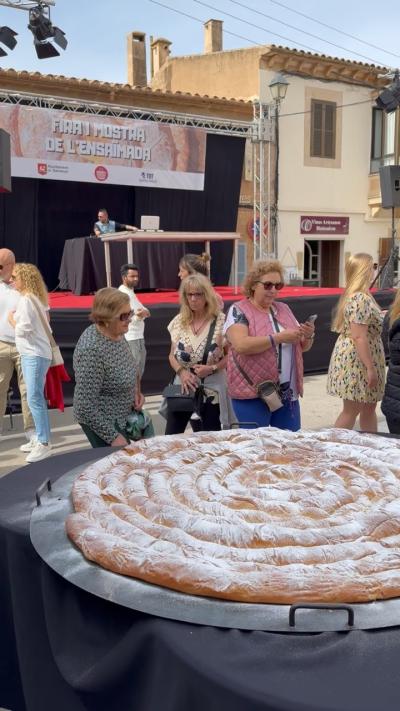
Seafood also plays a key role here, especially along the coast in towns like Alcudia and Pollenca, where dishes might feature freshly caught prawns or sea bream prepared with native herbs. If you prefer something sweet, don’t miss ensaimada, a light, spiral-shaped pastry dusted with powdered sugar that’s often enjoyed at breakfast or as a treat with coffee. To complement your meal, local drinks like Hierbas, an aromatic herbal liqueur, or Palo, a bittersweet drink made from wood extracts, provide a taste of Mallorcan tradition.
Sampling these foods in markets such as Palma’s Mercat de l’Olivar or during festivals like Sant Sebastià gives a wonderful insight into the island’s food culture. Whether at a family-run café in Valldemossa or a seaside restaurant near Cala Mondrago, these dishes reflect the island’s rich history and diverse landscape, inviting you to savor both the land and sea with every bite.
More Fotos





Related Questions
Related Question
Did any local Mallorcan artists or writers collaborate with the painters who worked on the island in the early 20th century?
Related Question
Are visitors welcome to attend religious services or local festivals on the island?
Related Question
Can I book a campsite in Mallorca ahead of time or is it typically first-come, first-served?