Are the historic towns and sites around Mallorca accessible for travelers with mobility challenges?
Similar Topics
mallorca historical sites
mobility access mallorca
palma cathedral access
serra de tramuntana
tib bus wheelchair
accessible beaches mallorca
soller railway access
accessible tours mallorca
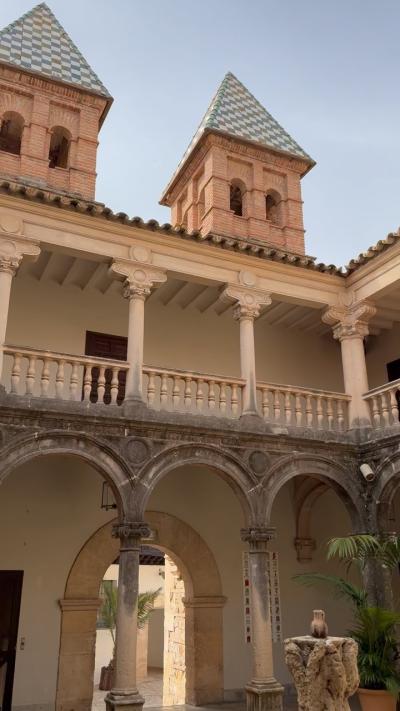
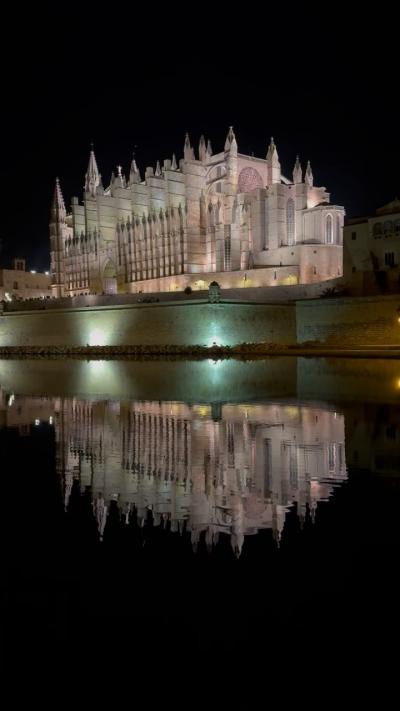
Getting around the island's historical treasures with limited mobility requires some planning, but many key sites in towns like Palma, Alcudia, and Pollenca have improved access in recent years. Palma’s old town features cobblestone streets that can be uneven in places, but popular attractions such as the Cathedral and the nearby museum spaces are equipped with ramps and elevators. In Alcudia, the Roman ruins and medieval walls have varied accessibility; some areas might be difficult to navigate, but visitor centers and staff often provide helpful guidance.
The rugged Serra de Tramuntana landscape naturally presents challenges, especially when exploring villages like Valldemossa or Deia, where narrow streets and steep inclines are common. However, the well-maintained Soller railway offers a comfortable, scenic connection between Palma and Soller for those who prefer to avoid driving on the mountain roads. On the eastern side, Manacor’s historical sites tend to be more modernized and accessible.
Public transport options such as the TIB bus network can accommodate wheelchairs, and many beaches including Cala Mondrago have improved facilities with accessible pathways and restrooms. For a relaxed visit, consider hiring local guides who are familiar with accessible routes and can tailor your itinerary accordingly. Overall, while some of the oldest corners require extra care, the island’s blend of cultural heritage and natural beauty can be enjoyed by travelers with mobility concerns with a little advance preparation.
The rugged Serra de Tramuntana landscape naturally presents challenges, especially when exploring villages like Valldemossa or Deia, where narrow streets and steep inclines are common. However, the well-maintained Soller railway offers a comfortable, scenic connection between Palma and Soller for those who prefer to avoid driving on the mountain roads. On the eastern side, Manacor’s historical sites tend to be more modernized and accessible.
Public transport options such as the TIB bus network can accommodate wheelchairs, and many beaches including Cala Mondrago have improved facilities with accessible pathways and restrooms. For a relaxed visit, consider hiring local guides who are familiar with accessible routes and can tailor your itinerary accordingly. Overall, while some of the oldest corners require extra care, the island’s blend of cultural heritage and natural beauty can be enjoyed by travelers with mobility concerns with a little advance preparation.
More Fotos