What conservation measures protect the natural habitats and wildlife on Mallorca?
Similar Topics
mallorca conservation
tramuntana wildlife
es trenc protection
habitat restoration
balearic biodiversity
eco tourism mallorca
native flora mallorca
environmental education
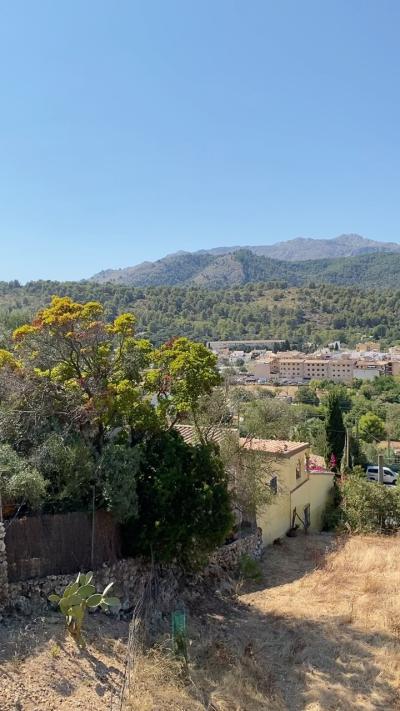
The Serra de Tramuntana mountain range is a vital stronghold for Mallorca’s native flora and fauna, and several initiatives work to preserve its diverse ecosystems. The area’s status as a UNESCO World Heritage Site has helped focus efforts on habitat restoration and sustainable land management, with particular attention to protecting endemic species such as the Balearic lizard and rare wildflowers. Local authorities collaborate with environmental organisations and scientists to monitor wildlife populations, keeping a close eye on how climate change and tourism impact the fragile balance.
Coastal zones like Es Trenc and Cala Mondrago also benefit from protective measures to maintain their pristine beaches and wetlands. These areas often restrict development and regulate visitor numbers during sensitive periods to prevent disturbance to nesting birds and fragile dune systems. The Consell de Mallorca supports various educational programs, inviting visitors and locals alike to learn about the island’s unique biodiversity through guided walks and workshops.
Volunteer projects and eco-tourism activities encourage hands-on involvement in conservation, such as participation in reforestation or beach clean-ups, which help foster a stronger connection between people and the land. These combined efforts not only safeguard Mallorca’s natural heritage but also reinforce the sustainable tourism model essential for the island’s future. Ultimately, preserving these environments ensures that towns like Pollenca, Valldemossa, and Deia remain surrounded by the rich, vibrant landscapes that make this corner of the Mediterranean so special.
Coastal zones like Es Trenc and Cala Mondrago also benefit from protective measures to maintain their pristine beaches and wetlands. These areas often restrict development and regulate visitor numbers during sensitive periods to prevent disturbance to nesting birds and fragile dune systems. The Consell de Mallorca supports various educational programs, inviting visitors and locals alike to learn about the island’s unique biodiversity through guided walks and workshops.
Volunteer projects and eco-tourism activities encourage hands-on involvement in conservation, such as participation in reforestation or beach clean-ups, which help foster a stronger connection between people and the land. These combined efforts not only safeguard Mallorca’s natural heritage but also reinforce the sustainable tourism model essential for the island’s future. Ultimately, preserving these environments ensures that towns like Pollenca, Valldemossa, and Deia remain surrounded by the rich, vibrant landscapes that make this corner of the Mediterranean so special.
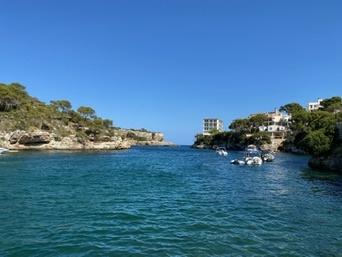
Cala Figuera
More Fotos