How do people in Mallorca celebrate with music and dance during traditional festivals?
Similar Topics
mallorca festivals
traditional dance
sant sebastia
xeremies music
binissalem wine
nit de foc
folk music mallorca
sobrassada
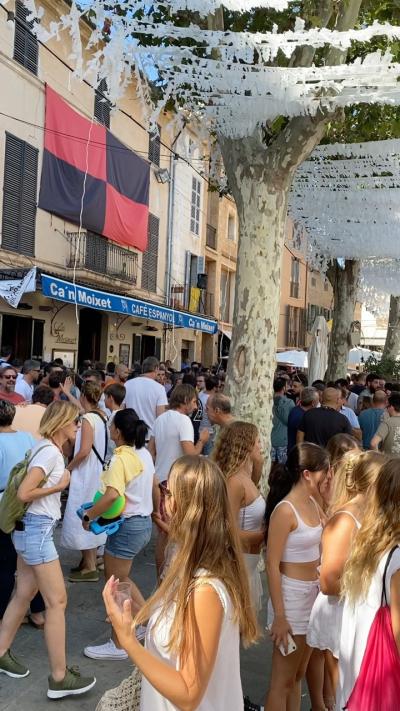
The heart of local celebrations often beats with the vibrant sounds of traditional music and dance, especially during important island festivals. Events like Sant Sebastià in Palma, with its lively street concerts and dancing, bring communities together behind centuries-old customs. Folk instruments such as the xeremies (Mallorcan bagpipes), tambourines, and guitar are common, setting a rhythmic pulse that invites participation from all ages.
In towns like Pollença and Sóller, you’ll see groups dressed in traditional costumes performing dances that tell stories of the island’s past, blending Moorish, Catalan, and Mediterranean influences. The dance isn’t merely a performance; it’s a communal ritual that links generations and fosters a strong sense of identity. Often, these celebrations spill into the plazas, where locals and visitors alike join open dance circles or even friendly competitions.
Complementing the music, food aromas waft through the air—roasting sobrassada, ensaïmada pastries, and glasses of local Binissalem wine or Hierbas herbal liqueur. As dusk falls, nighttime festivals like the fiery Nit de Foc in Palma turn more exuberant, with drums intensifying the atmosphere and dancing becoming more spirited. Across the island, music and dance unite people in joyous expression, creating memories rooted in Mallorca’s rich cultural tapestry.
In towns like Pollença and Sóller, you’ll see groups dressed in traditional costumes performing dances that tell stories of the island’s past, blending Moorish, Catalan, and Mediterranean influences. The dance isn’t merely a performance; it’s a communal ritual that links generations and fosters a strong sense of identity. Often, these celebrations spill into the plazas, where locals and visitors alike join open dance circles or even friendly competitions.
Complementing the music, food aromas waft through the air—roasting sobrassada, ensaïmada pastries, and glasses of local Binissalem wine or Hierbas herbal liqueur. As dusk falls, nighttime festivals like the fiery Nit de Foc in Palma turn more exuberant, with drums intensifying the atmosphere and dancing becoming more spirited. Across the island, music and dance unite people in joyous expression, creating memories rooted in Mallorca’s rich cultural tapestry.

Cala Figuera
More Fotos




Related Questions
Related Question
How do fishing rules around Mallorca affect the seafood served in local restaurants throughout the year?
Related Question
What is the best way to get to Petra from other parts of Mallorca during the festival?
Related Question
What is the best time of year to visit Sóller for pleasant weather?