Are there any specific neighborhoods in Mallorca where the influence of the Franco regime is more evident?
Similar Topics
Mallorca neighborhoods
Franco regime influence
Palma architecture
El Terreno district
Son Espanyolet
Mediterranean architecture
historical monuments Mallorca
Mallorca tourism history
local guides Mallorca
cultural heritage Mallorca
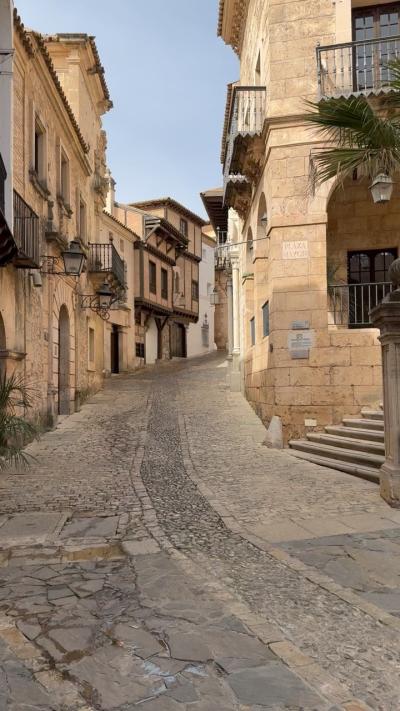
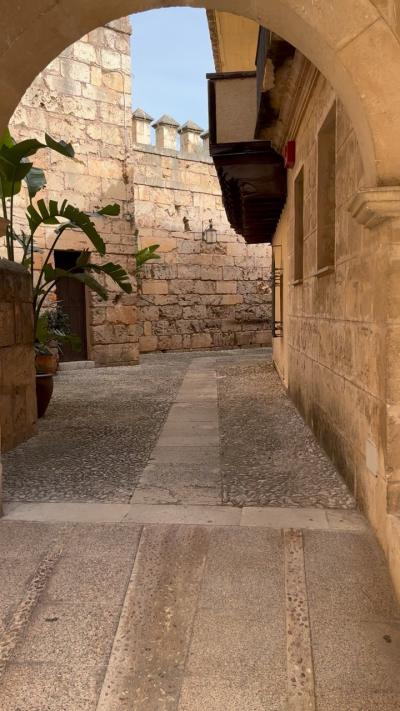
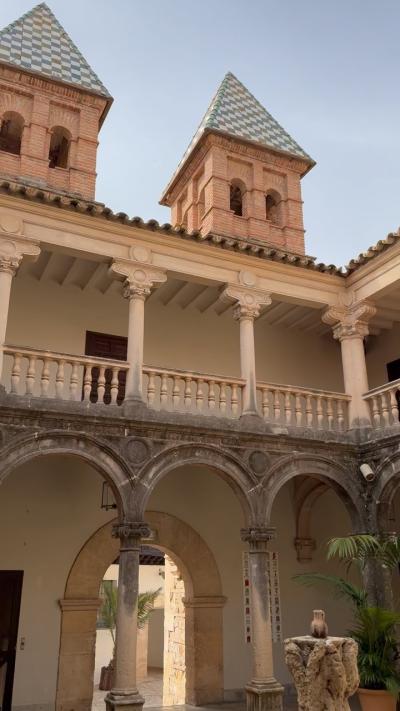
In Mallorca, the influence of the Franco regime can be observed more prominently in certain neighborhoods, particularly in the capital, Palma. Areas like El Terreno and the surrounding neighborhoods exhibit architectural styles and urban planning that reflect the political and social climate of the Franco era. El Terreno, for instance, was developed in the early 20th century and saw a surge in construction during the 1950s, a time when Franco's government promoted tourism as a means to boost the economy. The buildings here often showcase a blend of traditional Mediterranean architecture with the more austere, functional designs favored during the regime, creating a unique juxtaposition that tells a story of that historical period.
Another notable area is the neighborhood of Son Espanyolet, which features several public buildings and monuments erected under Franco's rule. These structures often carry a sense of historical weight, reflecting the era's political ideologies. Additionally, the presence of certain statues and monuments dedicated to Franco or his regime can be found in various locations across the island, although many have been subject to scrutiny and debate in recent years, leading to discussions about their place in contemporary society. While these remnants of history can evoke mixed feelings, they serve as important markers of the island's past, allowing visitors to gain deeper insight into Mallorca's complex identity shaped by both its cultural heritage and political history.
Exploring these neighborhoods provides a nuanced understanding of how the Franco regime impacted not just the architecture but also the social fabric of the island. As you wander through the streets of Palma and its surrounding areas, you'll encounter a blend of old and new, reflecting the resilience of the local population in the face of historical challenges. Engaging with local guides or historians can further enrich your visit, offering personal anecdotes and context that connect the past with the vibrant life of Mallorca today.
Another notable area is the neighborhood of Son Espanyolet, which features several public buildings and monuments erected under Franco's rule. These structures often carry a sense of historical weight, reflecting the era's political ideologies. Additionally, the presence of certain statues and monuments dedicated to Franco or his regime can be found in various locations across the island, although many have been subject to scrutiny and debate in recent years, leading to discussions about their place in contemporary society. While these remnants of history can evoke mixed feelings, they serve as important markers of the island's past, allowing visitors to gain deeper insight into Mallorca's complex identity shaped by both its cultural heritage and political history.
Exploring these neighborhoods provides a nuanced understanding of how the Franco regime impacted not just the architecture but also the social fabric of the island. As you wander through the streets of Palma and its surrounding areas, you'll encounter a blend of old and new, reflecting the resilience of the local population in the face of historical challenges. Engaging with local guides or historians can further enrich your visit, offering personal anecdotes and context that connect the past with the vibrant life of Mallorca today.

Cala Figuera
More Fotos