What traditional Mallorcan festivals celebrate the island's cultural heritage?
Similar Topics
Mallorca festivals
Sant Joan celebration
Fira del Ram
Mallorcan culture
La Beata festival
Sant Nicolau festival
traditional Mallorcan events
cultural heritage of Mallorca
Palma fairs
Mallorca community spirit
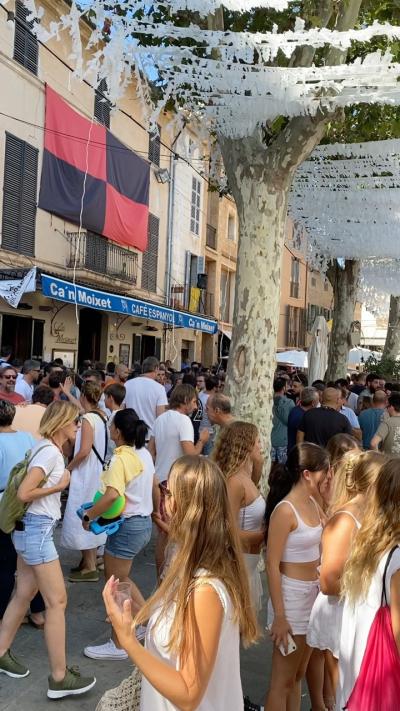
Mallorca is rich in cultural heritage, and its traditional festivals are a vibrant reflection of the island's history and community spirit. One of the most significant celebrations is the feast of Sant Joan, which takes place on the night of June 23rd. This festival is marked by bonfires, fireworks, and revelry, with locals gathering to celebrate the summer solstice. The atmosphere is electric, as people jump over flames, chant, and dance, creating a sense of unity and joy. Sant Joan not only honors the patron saint but also symbolizes the island’s connection to its agrarian roots, as it coincides with the harvest season.
Another noteworthy festival is the Fira del Ram, held in Palma during the spring months. This lively fair showcases local crafts, food, and music, providing an immersive experience of Mallorcan culture. Visitors can enjoy traditional treats like ensaimadas, a sweet pastry, while browsing stalls filled with artisanal goods. The fair also features amusement rides and games, making it a family-friendly event that draws both locals and tourists alike. Additionally, the festival of La Beata, celebrated in the town of Santa Margalida, pays homage to the island's patron saint and includes a colorful procession, traditional music, and dance, encapsulating the community's deep-rooted traditions.
In the autumn, the festival of Sant Nicolau in the town of Alcúdia showcases more of Mallorca's cultural richness. This event features a reenactment of historical events, including medieval markets, where visitors can experience the island's past through costumes, crafts, and performances. The festival’s atmosphere is filled with laughter and camaraderie, as people come together to celebrate their shared heritage. These festivals not only highlight Mallorca's traditions but also foster a sense of pride among its residents, making them a must-see for anyone looking to understand the island's cultural landscape.
Another noteworthy festival is the Fira del Ram, held in Palma during the spring months. This lively fair showcases local crafts, food, and music, providing an immersive experience of Mallorcan culture. Visitors can enjoy traditional treats like ensaimadas, a sweet pastry, while browsing stalls filled with artisanal goods. The fair also features amusement rides and games, making it a family-friendly event that draws both locals and tourists alike. Additionally, the festival of La Beata, celebrated in the town of Santa Margalida, pays homage to the island's patron saint and includes a colorful procession, traditional music, and dance, encapsulating the community's deep-rooted traditions.
In the autumn, the festival of Sant Nicolau in the town of Alcúdia showcases more of Mallorca's cultural richness. This event features a reenactment of historical events, including medieval markets, where visitors can experience the island's past through costumes, crafts, and performances. The festival’s atmosphere is filled with laughter and camaraderie, as people come together to celebrate their shared heritage. These festivals not only highlight Mallorca's traditions but also foster a sense of pride among its residents, making them a must-see for anyone looking to understand the island's cultural landscape.

Cala Figuera
More Fotos