How has the tourism industry in Mallorca adapted to changes in the climate?
Similar Topics
Mallorca tourism
climate change adaptation
sustainable travel Mallorca
eco-friendly hotels
local cuisine Mallorca
off-peak travel
outdoor adventures Mallorca
biodiversity tourism
renewable energy Mallorca
environmentally conscious travelers
The tourism industry in Mallorca has made significant strides in adapting to the challenges posed by climate change over recent years. With rising temperatures and shifting weather patterns, local businesses and authorities have recognized the need to embrace more sustainable practices to protect the island's natural beauty and appeal. Many hotels and resorts have implemented eco-friendly initiatives, such as energy-efficient systems, reduced water usage, and the incorporation of renewable energy sources like solar panels. These measures not only help to minimize their environmental footprint but also attract environmentally conscious travelers who prioritize sustainability in their holiday choices.
Additionally, the island's agricultural sector has seen a resurgence, with an emphasis on local produce and traditional farming methods. This shift not only supports local economies but also reduces the carbon footprint associated with importing food. Many restaurants and cafes now feature menus that highlight seasonal, locally sourced ingredients, providing visitors with an authentic taste of Mallorcan cuisine while promoting sustainable practices. Furthermore, the tourism industry has begun to promote off-peak travel, encouraging visitors to explore the island outside of the busy summer months. This strategy helps to alleviate pressure on local resources and reduces the environmental impact of mass tourism.
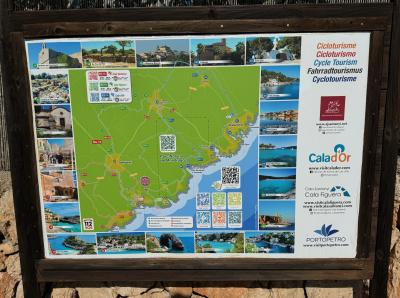
In terms of activities, Mallorca has also diversified its offerings to embrace outdoor adventures that connect visitors with nature. Hiking, cycling, and eco-tours have gained popularity as travelers seek more immersive experiences that highlight the island’s stunning landscapes and biodiversity. These activities not only promote a deeper appreciation for the environment but also help to educate tourists about the importance of conservation. Overall, the tourism industry in Mallorca is evolving to meet the challenges of climate change, ensuring that the island remains a vibrant and welcoming destination for future generations.
Additionally, the island's agricultural sector has seen a resurgence, with an emphasis on local produce and traditional farming methods. This shift not only supports local economies but also reduces the carbon footprint associated with importing food. Many restaurants and cafes now feature menus that highlight seasonal, locally sourced ingredients, providing visitors with an authentic taste of Mallorcan cuisine while promoting sustainable practices. Furthermore, the tourism industry has begun to promote off-peak travel, encouraging visitors to explore the island outside of the busy summer months. This strategy helps to alleviate pressure on local resources and reduces the environmental impact of mass tourism.
In terms of activities, Mallorca has also diversified its offerings to embrace outdoor adventures that connect visitors with nature. Hiking, cycling, and eco-tours have gained popularity as travelers seek more immersive experiences that highlight the island’s stunning landscapes and biodiversity. These activities not only promote a deeper appreciation for the environment but also help to educate tourists about the importance of conservation. Overall, the tourism industry in Mallorca is evolving to meet the challenges of climate change, ensuring that the island remains a vibrant and welcoming destination for future generations.
Cala Figuera
More Fotos