What accessibility options are available for visitors touring Mallorca's main attractions?
Similar Topics
mallorca accessibility
wheelchair ramps
accessible restrooms
tib bus network
palma metro
guided tours mallorca
accessible parking
assistive listening
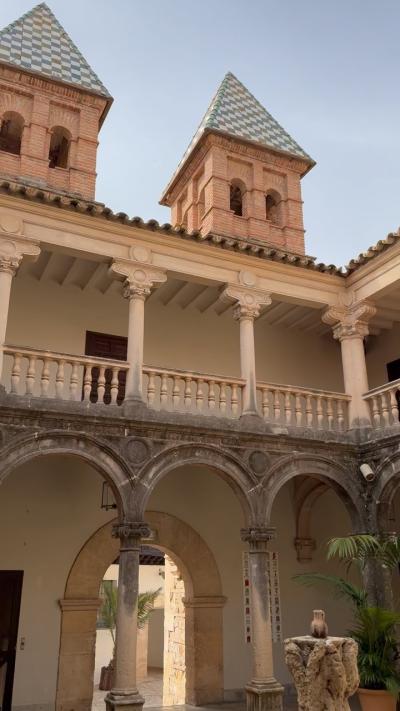
Many of the island’s historic sites and museums, such as the Palma Cathedral and the Museu Fundación Juan March in Palma, have improved accessibility in recent years. Wheelchair ramps and elevators are common at these popular locations to facilitate smooth access, while accessible restrooms are thoughtfully designed to accommodate all visitors. It’s advisable to check ahead on official websites or contact visitor centers directly for up-to-date details on specific access features, particularly for smaller towns like Valldemossa or Deià where older streets can be more challenging.
Public transportation on the island plays a vital role in accessibility. The TIB bus network generally offers low-floor buses suited for wheelchair users, with priority seating and audio announcements to assist those with visual impairments. The Palma metro is similarly equipped, making urban navigation easier. For excursions to more remote spots such as Cala Mondragó or the beaches of Es Trenc, accessible parking areas are usually located near the main entrances to minimize walking distance.
Some guided tours tailor experiences to suit mobility needs, providing options to skip sections with uneven terrain or stairs, particularly in the rugged Serra de Tramuntana and historic Pollença. Museums and cultural venues often offer assistive listening devices and larger print materials, helping visitors with hearing or visual difficulties engage fully with exhibitions. Whether exploring the Ma-10 mountain road or strolling the cobbled streets of Soller, visitors will find a growing range of resources designed to provide an inclusive and comfortable experience.
Public transportation on the island plays a vital role in accessibility. The TIB bus network generally offers low-floor buses suited for wheelchair users, with priority seating and audio announcements to assist those with visual impairments. The Palma metro is similarly equipped, making urban navigation easier. For excursions to more remote spots such as Cala Mondragó or the beaches of Es Trenc, accessible parking areas are usually located near the main entrances to minimize walking distance.
Some guided tours tailor experiences to suit mobility needs, providing options to skip sections with uneven terrain or stairs, particularly in the rugged Serra de Tramuntana and historic Pollença. Museums and cultural venues often offer assistive listening devices and larger print materials, helping visitors with hearing or visual difficulties engage fully with exhibitions. Whether exploring the Ma-10 mountain road or strolling the cobbled streets of Soller, visitors will find a growing range of resources designed to provide an inclusive and comfortable experience.
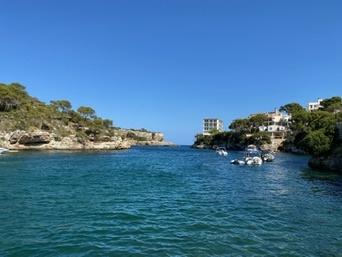
Cala Figuera
More Fotos