Are there any specific regions in Mallorca that are known for their unique climates?
Similar Topics
Mallorca climate
Tramuntana mountains
Valldemossa
Deia
Cala d'Or
Playa de Palma
Mediterranean flora
Sineu
Inca
Mallorca travel
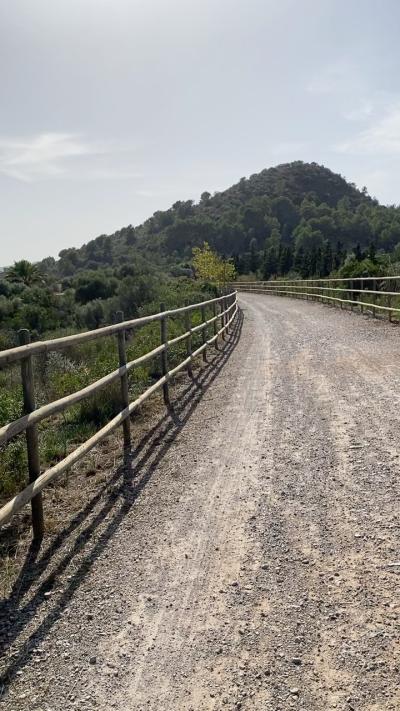
Mallorca, the largest of the Balearic Islands, boasts a diverse range of microclimates, each contributing to its unique charm and allure. One of the most notable regions is the northern area, particularly around the Tramuntana mountain range. This area experiences a more humid climate, thanks to the mountains that capture moisture from the sea. The lush landscapes here are home to terraced fields and picturesque villages like Valldemossa and Deia, where the cooler temperatures and occasional rainfall create a vibrant environment for olive groves and citrus fruits. The breathtaking views from the mountains, combined with the refreshing climate, make this region a haven for hikers and nature lovers.
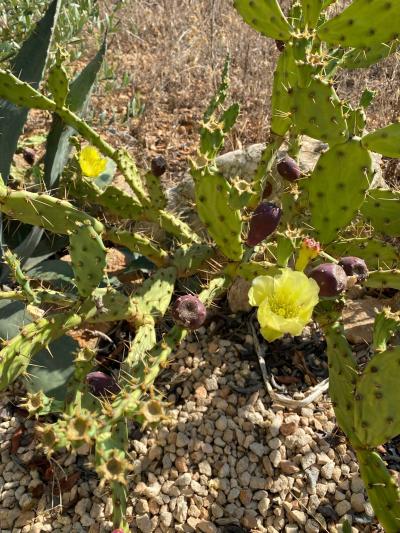
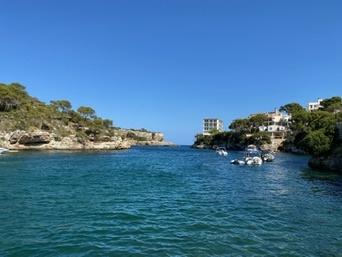
In contrast, the south and southeastern parts of Mallorca, including the popular resort towns like Cala d'Or and Playa de Palma, enjoy a sunnier and drier climate. This region typically experiences hot summers and mild winters, making it a perfect destination for beachgoers seeking sun-soaked days. The warmth and lower humidity here foster a different kind of flora, with the landscape dotted by Mediterranean shrubs and pine forests. The charming coastal scenery, along with the vibrant nightlife and dining options, attracts visitors looking for a lively atmosphere under the sun.
Lastly, the interior of Mallorca, particularly around towns like Sineu and Inca, presents yet another climatic variation. This region is characterized by more continental weather patterns, resulting in hotter summers and cooler winters compared to the coastal areas. The fertile plains are ideal for agriculture, contributing to Mallorca's reputation for high-quality local produce, including wine and traditional pastries. The serene countryside environment, combined with the unique climate, offers a different experience for travelers interested in exploring the island's rich cultural heritage and culinary delights. Each region of Mallorca offers its own special climate, ensuring that every visitor can find their perfect spot on this beautiful island.
In contrast, the south and southeastern parts of Mallorca, including the popular resort towns like Cala d'Or and Playa de Palma, enjoy a sunnier and drier climate. This region typically experiences hot summers and mild winters, making it a perfect destination for beachgoers seeking sun-soaked days. The warmth and lower humidity here foster a different kind of flora, with the landscape dotted by Mediterranean shrubs and pine forests. The charming coastal scenery, along with the vibrant nightlife and dining options, attracts visitors looking for a lively atmosphere under the sun.
Lastly, the interior of Mallorca, particularly around towns like Sineu and Inca, presents yet another climatic variation. This region is characterized by more continental weather patterns, resulting in hotter summers and cooler winters compared to the coastal areas. The fertile plains are ideal for agriculture, contributing to Mallorca's reputation for high-quality local produce, including wine and traditional pastries. The serene countryside environment, combined with the unique climate, offers a different experience for travelers interested in exploring the island's rich cultural heritage and culinary delights. Each region of Mallorca offers its own special climate, ensuring that every visitor can find their perfect spot on this beautiful island.
More Fotos




Related Questions
Related Question
Are there street performers and artists in the pedestrian zones around Palma and other towns?
Related Question
Where can I find a good place to eat or grab a snack near the beaches or towns in Mallorca?
Related Question
What are some other popular dining spots in Palma Nova that offer local dishes?