What local ingredients are commonly used in traditional Mallorcan dishes?
Similar Topics
mallorca ingredients
traditional dishes
sobrassada
ensaimada
binissalem wine
tramuntana herbs
es trenc seafood
local markets
The scent of freshly baked ensaimadas drifting from village bakeries hints at Mallorca’s rich culinary tradition based on indigenous produce. Olive oil pressed from local trees, aromatic rosemary from the Serra de Tramuntana hills, and ripe tomatoes from the sun-soaked plains are staples in authentic recipes here. Coastal towns like Port de Pollenca and Alcudia often feature fresh fish and shellfish caught from the Mediterranean, which pair beautifully with island-grown vegetables.
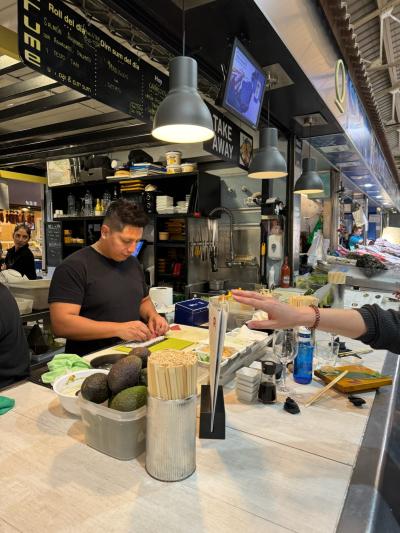
In mountain villages such as Valldemossa and Deia, slow-cooked dishes like tumbet highlight aubergines, peppers, and potatoes grown in the surrounding fields. Sobrassada, a soft cured sausage made from native black pigs, adds a distinctive richness to many meals and exemplifies Mallorca’s artisanal charcuterie. Local markets in Palma or Manacor brim with seasonal fruits, almonds, and Binissalem wine, enhancing the island’s vibrant food culture.
Hierbas, a fragrant herbal liqueur, and Palo, made from the rare chinchona bark, reflect the island’s traditional use of native herbs not only in cooking but also in drinks. Whether indulging in a rustic meal in a Tramuntana farmhouse or sampling freshly caught seafood at a beachside chiringuito on Es Trenc, the ingredients tell the story of an island bound to its land and sea.
In mountain villages such as Valldemossa and Deia, slow-cooked dishes like tumbet highlight aubergines, peppers, and potatoes grown in the surrounding fields. Sobrassada, a soft cured sausage made from native black pigs, adds a distinctive richness to many meals and exemplifies Mallorca’s artisanal charcuterie. Local markets in Palma or Manacor brim with seasonal fruits, almonds, and Binissalem wine, enhancing the island’s vibrant food culture.
Hierbas, a fragrant herbal liqueur, and Palo, made from the rare chinchona bark, reflect the island’s traditional use of native herbs not only in cooking but also in drinks. Whether indulging in a rustic meal in a Tramuntana farmhouse or sampling freshly caught seafood at a beachside chiringuito on Es Trenc, the ingredients tell the story of an island bound to its land and sea.

More Fotos