How do craftsmen on the island maintain traditional Mallorca artisan techniques today?
Similar Topics
mallorca artisans
traditional crafts
local workshops
heritage preservation
valldemossa crafts
pollenca markets
sustainable materials
majorcan embroidery
Craftsmen across Mallorca keep age-old artisan skills alive primarily through family traditions and hands-on apprenticeship. In places like Valldemossa and Deia, it’s common for young artisans to learn pottery, textile weaving, or woodworking directly from older relatives or master craftsmen, ensuring that subtle techniques—such as the hand-stitching of traditional Majorcan embroidery or the crafting of wooden jugs—are passed down intact. This close mentorship fosters a strong connection to the cultural roots of their craft.
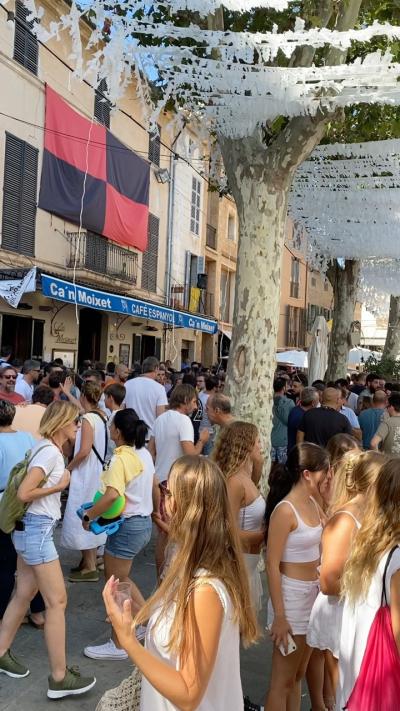
Beyond family tutelage, many artisans actively engage with the community through markets in towns like Pollenca or workshops during local festivities like Sant Sebastia in Palma. These events often serve as open spaces for sharing not only finished products but also the stories and historical context behind their making. The use of local materials, such as the pine and olive wood harvested nearby or natural dyes from island plants, emphasizes both sustainability and a deep link to the land.
Increasingly, makers use social media and collaborations with cultural centers to reach visitors and younger locals unfamiliar with traditional methods. This helps maintain interest in products like handmade ceramics from Manacor or the intricate filigree silverwork found on the island. By blending time-honoured craftsmanship with modern platforms, local artisans ensure their techniques remain relevant while sustaining a vital part of Mallorca’s living heritage.
Beyond family tutelage, many artisans actively engage with the community through markets in towns like Pollenca or workshops during local festivities like Sant Sebastia in Palma. These events often serve as open spaces for sharing not only finished products but also the stories and historical context behind their making. The use of local materials, such as the pine and olive wood harvested nearby or natural dyes from island plants, emphasizes both sustainability and a deep link to the land.
Increasingly, makers use social media and collaborations with cultural centers to reach visitors and younger locals unfamiliar with traditional methods. This helps maintain interest in products like handmade ceramics from Manacor or the intricate filigree silverwork found on the island. By blending time-honoured craftsmanship with modern platforms, local artisans ensure their techniques remain relevant while sustaining a vital part of Mallorca’s living heritage.

Cala Figuera
More Fotos