Are the beaches in Mallorca accessible for visitors with limited mobility?
Similar Topics
accessible beaches mallorca
wheelchair beach access
beach facilities mallorca
es trenc accessibility
cala mondrago beach
tramuntana beaches
tib bus accessibility
beach wheelchair rental
Many of the island’s most popular beaches have taken steps to improve access for those with limited mobility, though the level of facilities varies from spot to spot. Beaches like Es Trenc, known for its long stretches of soft sand and clear waters, offer parking nearby and sometimes have firm pathways designed for wheelchair users. At Cala Mondragó, the TIB bus network services the area, and the park authority has made efforts to ensure accessible toilets and ramps to easing the journey toward the shore. Some municipalities also provide beach wheelchairs, designed to glide on sand, which can be reserved locally in places like Palma or Alcudia.
It’s worth noting that beaches nestled in coves or along the Serra de Tramuntana, such as Cala Llombards or Formentor, may be more challenging due to their terrain and access roads. The Ma-10 and Ma-19 roads offer scenic but winding routes that might require assistance or careful planning for those with mobility issues. Lifeguards and local tourist offices in towns like Pollenca and Soller can often give up-to-date advice on wheelchair access and support services, as well as recommend quieter times to visit.
While accessible picnic areas and changing facilities are becoming more common at major beaches, it is recommended to contact local tourist information centers or the Consell de Mallorca’s tourism website before your visit for specific details. Ensuring a smooth experience here may also involve arranging transport on accessible TIB buses or private wheelchair-friendly taxis available in Palma and Manacor. With some foresight, you can enjoy the island’s stunning coastline accessibly and comfortably.
It’s worth noting that beaches nestled in coves or along the Serra de Tramuntana, such as Cala Llombards or Formentor, may be more challenging due to their terrain and access roads. The Ma-10 and Ma-19 roads offer scenic but winding routes that might require assistance or careful planning for those with mobility issues. Lifeguards and local tourist offices in towns like Pollenca and Soller can often give up-to-date advice on wheelchair access and support services, as well as recommend quieter times to visit.
While accessible picnic areas and changing facilities are becoming more common at major beaches, it is recommended to contact local tourist information centers or the Consell de Mallorca’s tourism website before your visit for specific details. Ensuring a smooth experience here may also involve arranging transport on accessible TIB buses or private wheelchair-friendly taxis available in Palma and Manacor. With some foresight, you can enjoy the island’s stunning coastline accessibly and comfortably.
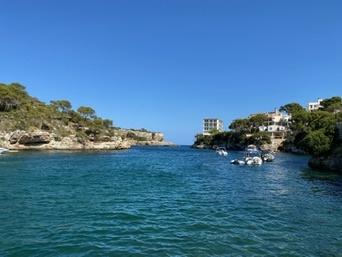
Cala Figuera
More Fotos