How does the scenery change between Mallorca's inland valleys and its nearby coastline?
Similar Topics
mallorca scenery
tramuntana mountains
pla de mallorca
cala mondrago
ma10 road
binissalem vineyards
formentor beach
valldemossa
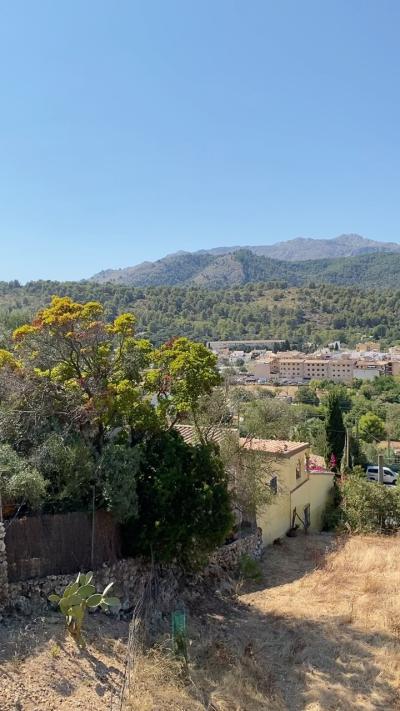
Many visitors arrive picturing Mallorca as purely a beach destination, yet the island’s character shifts remarkably just a short distance inland. Take the fertile Pla de Mallorca valleys, where gently rolling hills cradle fields of almonds, olives, and grapevines, punctuated by traditional fincas and small villages like Binissalem. This countryside is richly cultivated and alive with seasonal colours, where farming rhythms shape a landscape dotted with dry stone walls and shady carob trees. The Serra de Tramuntana mountains rise up around pockets such as Sóller or Valldemossa, creating cool, shaded gorges that invite walking and exploration away from the coast’s warmth and bustle.
Moving toward the coast, the scenery opens dramatically. Sharp limestone cliffs plunge into turquoise coves such as Cala Llombards or Cala Mondragó, whose sandy beaches and crystal-clear water contrast with the patchwork fields inland. The air here carries a briny freshness, mingled with pine and rosemary scents from the scrubland. The Ma-10 road threading along the Tramuntana coastline offers spectacular views of rugged headlands and fishing villages. At Formentor’s northern tip, the landscape shifts again to pine forests and secluded coves, a striking blend of wildness and serenity where the Mediterranean's deep blues shimmer under the sun.
Whether wandering the tranquil valleys around Alcúdia or hiking coastal paths near Deia, the island’s varied terrain reveals layers of history and nature. Inland life centers on farming and small community traditions, while the shoreline offers leisure, sea breezes, and unforgettable vistas. This contrast is part of Mallorca’s charm—its mosaic of textures, colors, and atmospheres makes every step a new discovery.
Moving toward the coast, the scenery opens dramatically. Sharp limestone cliffs plunge into turquoise coves such as Cala Llombards or Cala Mondragó, whose sandy beaches and crystal-clear water contrast with the patchwork fields inland. The air here carries a briny freshness, mingled with pine and rosemary scents from the scrubland. The Ma-10 road threading along the Tramuntana coastline offers spectacular views of rugged headlands and fishing villages. At Formentor’s northern tip, the landscape shifts again to pine forests and secluded coves, a striking blend of wildness and serenity where the Mediterranean's deep blues shimmer under the sun.
Whether wandering the tranquil valleys around Alcúdia or hiking coastal paths near Deia, the island’s varied terrain reveals layers of history and nature. Inland life centers on farming and small community traditions, while the shoreline offers leisure, sea breezes, and unforgettable vistas. This contrast is part of Mallorca’s charm—its mosaic of textures, colors, and atmospheres makes every step a new discovery.
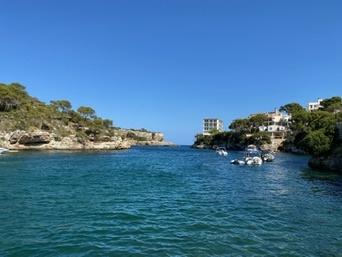
Cala Figuera
More Fotos
Related Questions
Related Question
Are there any art galleries or cultural events in Palma de Mallorca?
Related Question
Are there any family-friendly marine parks or aquariums to visit while staying near Palma or along the Mallorcan coast?
Related Question
Are there dedicated bike paths and parking near Mallorca’s beaches?