How did the irrigation techniques change under Arab influence in Mallorca?
Similar Topics
Mallorca irrigation
Arab influence Mallorca
qanats in Mallorca
agricultural techniques Mallorca
crop rotation Mallorca
terrace farming Mallorca
Mallorca agriculture history
Tramuntana mountains
Mallorca landscapes
traditional irrigation systems
Under Arab influence, the irrigation techniques in Mallorca underwent significant transformation, marking a pivotal period in the island's agricultural development. The arrival of the Moors in the 10th century brought advanced agricultural knowledge and innovative practices that were previously unknown to the local population. They introduced a sophisticated system of irrigation that utilized a network of channels, known as "qanats," which allowed for the efficient distribution of water from rivers and aquifers to fields and orchards. This method not only maximized water usage but also ensured that even the most arid lands could be cultivated, leading to an increase in agricultural productivity.
The Arabs also emphasized the importance of crop rotation and the cultivation of new crops, such as citrus fruits, sugar cane, and various vegetables, further diversifying the island's agricultural output. The introduction of techniques like terrace farming enabled the cultivation of sloped land, which was previously difficult to farm. These changes not only transformed the landscape but also had a lasting impact on the local economy and food culture, as the produce became integral to the island's identity. The enduring influence of these irrigation methods can still be seen today in Mallorca's lush countryside, where traditional stone channels and terraced fields continue to bear witness to this rich agricultural heritage.
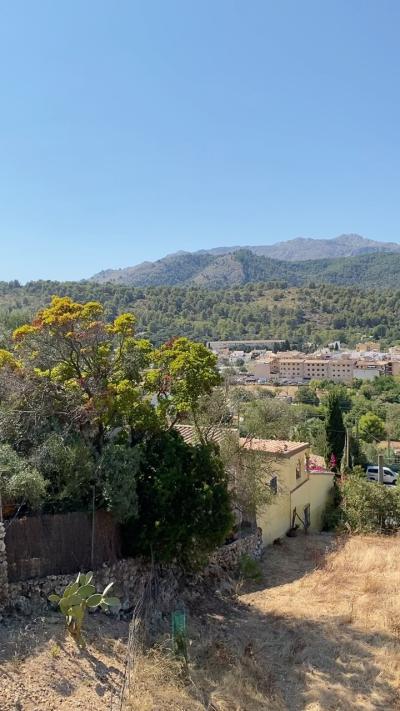
Visitors to Mallorca can explore the remnants of these ancient irrigation systems, particularly in regions like the Tramuntana mountains, where the terracing techniques are still in use. This blend of history and agriculture offers a unique insight into how the island's landscape has been shaped over centuries, showcasing the remarkable adaptability and ingenuity of the Mallorcan people throughout the ages.
The Arabs also emphasized the importance of crop rotation and the cultivation of new crops, such as citrus fruits, sugar cane, and various vegetables, further diversifying the island's agricultural output. The introduction of techniques like terrace farming enabled the cultivation of sloped land, which was previously difficult to farm. These changes not only transformed the landscape but also had a lasting impact on the local economy and food culture, as the produce became integral to the island's identity. The enduring influence of these irrigation methods can still be seen today in Mallorca's lush countryside, where traditional stone channels and terraced fields continue to bear witness to this rich agricultural heritage.
Visitors to Mallorca can explore the remnants of these ancient irrigation systems, particularly in regions like the Tramuntana mountains, where the terracing techniques are still in use. This blend of history and agriculture offers a unique insight into how the island's landscape has been shaped over centuries, showcasing the remarkable adaptability and ingenuity of the Mallorcan people throughout the ages.
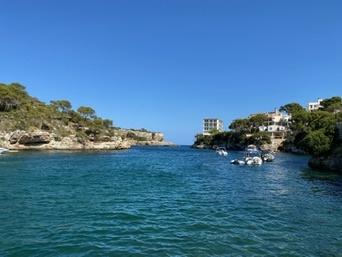
Cala Figuera
More Fotos