What traditional ingredients are commonly used in Mallorca's local dishes?
Similar Topics
mallorca cuisine
sobrassada
binissalem wine
ensaimada pastry
serra de tramuntana
local seafood
tumbet dish
hierbas liqueur
The salty scent of cured sobrassada mingles with the earthy aroma of fresh rosemary as you wander through Palma’s markets, hinting at the island’s distinctive culinary character. Local dishes often rely on ingredients that reflect Mallorca’s Mediterranean climate and heritage, including sun-ripened tomatoes, garlic, and almonds grown in the fertile plains around Binissalem. Olive oil, a staple here, is pressed from olives harvested in the Serra de Tramuntana foothills, lending a peppery richness to many recipes.
Meats such as pork cured into hearty sobrassada or tenderly roasted lamb from the hill farms around Soller are frequent highlights on menus. Seafood is also crucial, particularly along the north coast near Alcudia and Formentor, where freshly caught calamari, sea bass, and prawns star in simple preparations. Vegetable dishes like tumbet celebrate local produce with layered aubergines, peppers, and potatoes drenched in rich tomato sauce — a taste that feels deeply connected to the island’s fields and traditions.
Herbs and spices such as thyme, fennel, and bay leaves are often foraged or grown in home gardens, adding fragrant complexity. Sweet endings might feature ensaimadas, light spiral pastries dusted with powdered sugar, or desserts infused with the licorice notes of Hierbas liqueur. Meals here serve as an invitation to savor the island’s land and sea in every bite, shaped by centuries of Mallorca’s agricultural rhythms and culinary creativity.
Meats such as pork cured into hearty sobrassada or tenderly roasted lamb from the hill farms around Soller are frequent highlights on menus. Seafood is also crucial, particularly along the north coast near Alcudia and Formentor, where freshly caught calamari, sea bass, and prawns star in simple preparations. Vegetable dishes like tumbet celebrate local produce with layered aubergines, peppers, and potatoes drenched in rich tomato sauce — a taste that feels deeply connected to the island’s fields and traditions.
Herbs and spices such as thyme, fennel, and bay leaves are often foraged or grown in home gardens, adding fragrant complexity. Sweet endings might feature ensaimadas, light spiral pastries dusted with powdered sugar, or desserts infused with the licorice notes of Hierbas liqueur. Meals here serve as an invitation to savor the island’s land and sea in every bite, shaped by centuries of Mallorca’s agricultural rhythms and culinary creativity.
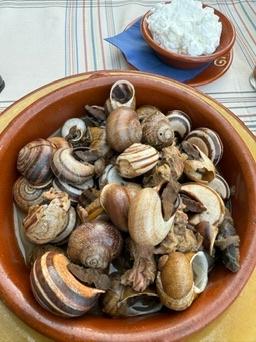
s'Horta
More Fotos