What historical sites are essential to visit on a day trip around Mallorca?
Similar Topics
historical sites
pollenca
alcudia ruins
castell de bellver
valldemossa monastery
serra de tramuntana
sóller railway
tib bus
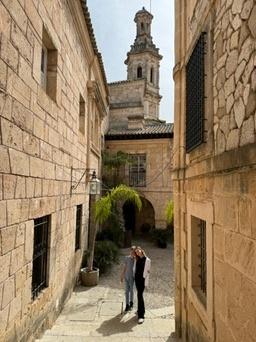
A quiet glimpse at the Plaça Major’s wrought-iron benches in Pollençá hints at the town’s deep roots, inviting visitors to explore beyond the surface. The old town here is a jewel of history, with narrow lanes and stone houses that echo centuries past. Don’t miss the Convent de Sant Domingo, a striking example of Gothic architecture that now hosts art exhibitions reflecting the island's cultural heritage. Wandering through the Museu d’Història offers rich insights into the northern coast’s past, weaving together tales of merchant families, fishermen, and ancient settlers.
Closer to the coast, Alcúdia’s medieval walls and the Roman ruins of Pollentia create a fascinating contrast between eras. The well-preserved city walls can be walked along, providing sweeping views of the bay and countryside. Meanwhile, the ancient columns and mosaics of Pollentia bring to life Mallorca’s Roman chapter, often overlooked but essential for understanding the island's layered history. Further south, Valldemossa charms with its Carthusian monastery where Chopin once stayed, connecting history with culture in a peaceful mountain setting.
For a commanding view and a strong link to the island’s strategic past, the 13th-century Castell de Bellver near Palma is unmissable. Its circular design is unique on the island and climbing up offers panoramic views of the city and the bay. Whether on the Ma-10 winding through the Serra de Tramuntana or exploring the ancient town centers by TIB bus or the historic Sóller railway, historical sites here offer immersive stories that go far beyond the guidebooks. They invite reflection on Mallorca’s varied identity, from Roman outpost to medieval stronghold to vibrant modern community.
Closer to the coast, Alcúdia’s medieval walls and the Roman ruins of Pollentia create a fascinating contrast between eras. The well-preserved city walls can be walked along, providing sweeping views of the bay and countryside. Meanwhile, the ancient columns and mosaics of Pollentia bring to life Mallorca’s Roman chapter, often overlooked but essential for understanding the island's layered history. Further south, Valldemossa charms with its Carthusian monastery where Chopin once stayed, connecting history with culture in a peaceful mountain setting.
For a commanding view and a strong link to the island’s strategic past, the 13th-century Castell de Bellver near Palma is unmissable. Its circular design is unique on the island and climbing up offers panoramic views of the city and the bay. Whether on the Ma-10 winding through the Serra de Tramuntana or exploring the ancient town centers by TIB bus or the historic Sóller railway, historical sites here offer immersive stories that go far beyond the guidebooks. They invite reflection on Mallorca’s varied identity, from Roman outpost to medieval stronghold to vibrant modern community.

Palma
More Fotos



Related Questions
Related Question
What is the best time of year to enjoy seafood in Palma?
Related Question
What kinds of native plants and vegetation can be found in the Tramuntana mountains and coastal areas of Mallorca?
Related Question
Are there any spots in Sóller that are especially good for photography and enjoying scenic views?