How can I get involved in conservation during my visit to Mallorca?
Similar Topics
mallorca conservation
volunteering mallorca
es trenc beach
serra tramuntana habitat
eco tours mallorca
sustainable travel mallorca
mallorca wildlife monitoring
tib bus eco
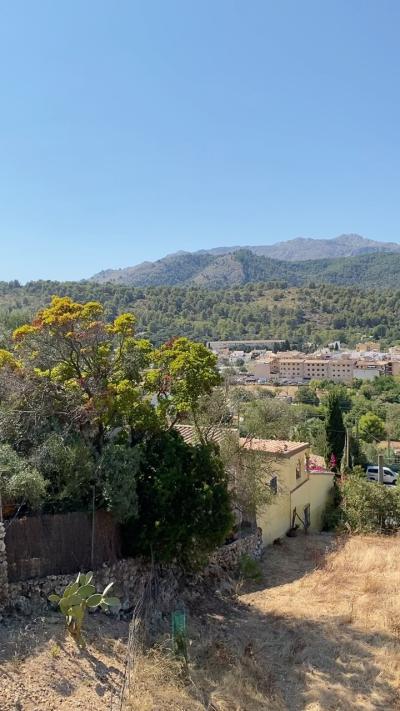
Spring and autumn are ideal times to join conservation activities around the island, when nature is especially vibrant and volunteer groups are active. Local initiatives often focus on protecting the Serra de Tramuntana’s unique habitats, as well as maintaining the pristine condition of beaches like Es Trenc and Cala Mondrago. Several organizations welcome visitors to help with tasks such as coastal clean-ups, reforestation efforts, and monitoring native species, including protected birds and marine life. Volunteering not only supports these projects but also provides a meaningful way to experience Mallorca’s landscapes beyond the usual tourist trails.
Many tours adhering to sustainable principles operate here, often contributing part of their fees to environmental causes. Opting for guided walks in areas like the Formentor peninsula or a snorkeling trip around Cala Llombards with a focus on local ecology can deepen your understanding of the island’s biodiversity while minimizing your footprint. Services provided by the TIB bus network and the historic Soller railway also offer eco-friendly ways to explore without driving.
At a personal level, small everyday choices matter: using reusable water bottles, disposing of waste responsibly, and choosing local products such as Binissalem wines or handmade crafts can support the island community and reduce environmental strain. Visitor centers in Palma and Valldemossa provide valuable information on ongoing conservation projects and ways to participate. Taking the time to learn about, engage with, and respect Mallorca’s delicate ecosystems will make your visit rewarding and help preserve this special place for future generations.
Many tours adhering to sustainable principles operate here, often contributing part of their fees to environmental causes. Opting for guided walks in areas like the Formentor peninsula or a snorkeling trip around Cala Llombards with a focus on local ecology can deepen your understanding of the island’s biodiversity while minimizing your footprint. Services provided by the TIB bus network and the historic Soller railway also offer eco-friendly ways to explore without driving.
At a personal level, small everyday choices matter: using reusable water bottles, disposing of waste responsibly, and choosing local products such as Binissalem wines or handmade crafts can support the island community and reduce environmental strain. Visitor centers in Palma and Valldemossa provide valuable information on ongoing conservation projects and ways to participate. Taking the time to learn about, engage with, and respect Mallorca’s delicate ecosystems will make your visit rewarding and help preserve this special place for future generations.
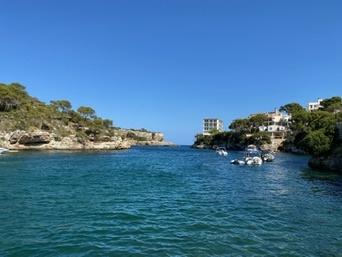
Cala Figuera
More Fotos