How accessible is Mallorca for travelers with mobility challenges?
Similar Topics
mallorca accessibility
mobility travel mallorca
accessible beaches
palma accessible transport
tramuntana accessibility
accessible attractions mallorca
accessible tourism
accessible hotels mallorca
Navigating the island’s varied terrain presents two main accessibility experiences: the relatively flat urban centers like Palma, and the more rugged Tramuntana mountain villages such as Deia or Valldemossa. In Palma, many public spaces, shops, and restaurants are equipped with ramps and adapted facilities, making the historic old town and seafront promenades easier to explore. The Palma metro and TIB bus network both offer accessible options for visitors with mobility limitations, with low-floor buses and designated spaces for wheelchairs.
Outside the capital, accessibility becomes more variable. Coastal areas like the beaches of Es Trenc and Cala Mondrago have made efforts to provide accessible routes and facilities, though some of the island’s charming coves and mountain paths remain challenging due to natural topography. Popular attractions such as the Soller railway have implemented some accessibility improvements, though hilly walks and uneven surfaces prevail in towns like Pollenca and Alcudia.
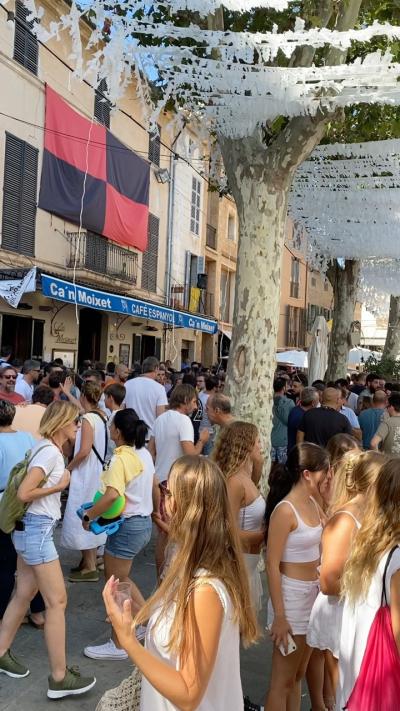
Local businesses increasingly recognize the importance of welcoming all visitors. Many hotels and restaurants in major resorts and towns offer adapted services, and Palma’s cultural institutions often feature wheelchair-friendly access and accessible restrooms. Events such as the Festa de l'Ametler actively promote participation for all, reflecting a growing inclusive mindset.
Still, travelers with mobility considerations are advised to plan ahead, checking with tourist offices or specialized accessible travel resources for up-to-date information. While historic architecture and landscape impose certain limits, a blend of modern infrastructure and local sensitivity means most visitors can enjoy the island’s rich culture, cuisine, and natural beauty without undue difficulty.
Outside the capital, accessibility becomes more variable. Coastal areas like the beaches of Es Trenc and Cala Mondrago have made efforts to provide accessible routes and facilities, though some of the island’s charming coves and mountain paths remain challenging due to natural topography. Popular attractions such as the Soller railway have implemented some accessibility improvements, though hilly walks and uneven surfaces prevail in towns like Pollenca and Alcudia.
Local businesses increasingly recognize the importance of welcoming all visitors. Many hotels and restaurants in major resorts and towns offer adapted services, and Palma’s cultural institutions often feature wheelchair-friendly access and accessible restrooms. Events such as the Festa de l'Ametler actively promote participation for all, reflecting a growing inclusive mindset.
Still, travelers with mobility considerations are advised to plan ahead, checking with tourist offices or specialized accessible travel resources for up-to-date information. While historic architecture and landscape impose certain limits, a blend of modern infrastructure and local sensitivity means most visitors can enjoy the island’s rich culture, cuisine, and natural beauty without undue difficulty.
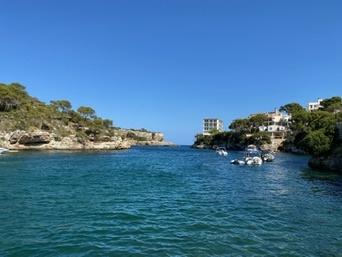
Cala Figuera
More Fotos